
-
-
Телефоны для консультирования по оперативным вопросам
1388xx888xx
-
-
-
24Часовой консультационный телефон
1388xx888xx
-

1388xx888xx
1388xx888xx

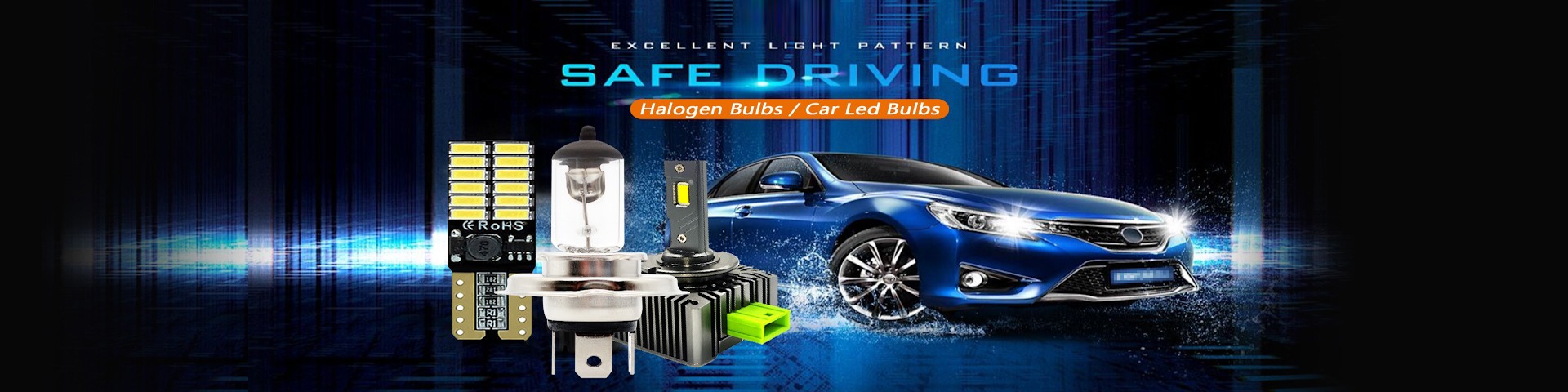
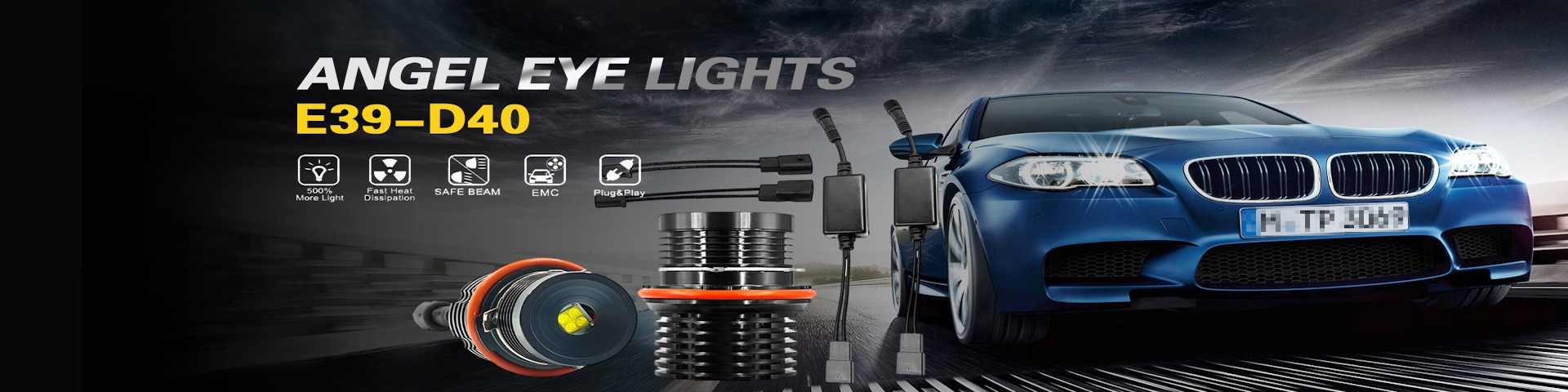
Эта статья исследует революционные инновации в автомобильных фарах, такие как LED, лазерные и адаптивные системы, и их влияние на ночную езду, безопасность и будущее транспорта.
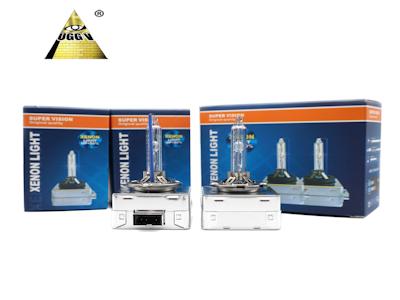
Вы когда-нибудь задумывались, как далеко продвинулись автомобильные фары за последние десятилетия? От простых ламп накаливания до умных систем, которые адаптируются к дорожным условиям в реальном времени – инновации в этой области не просто улучшают видимость, но и коренным образом меняют наше восприятие ночной езды. Но что именно делает эти новые фары такими революционными? И как они влияют на безопасность, комфорт и даже экологию? В этой статье мы погрузимся в мир передовых автомобильных фар, исследуя их технологии, преимущества и будущие тенденции, отвечая на ключевые вопросы, которые волнуют каждого водителя.
Инновационные фары – это не просто источники света; это сложные системы, интегрированные с электроникой и искусственным интеллектом, предназначенные для оптимизации освещения дороги. Но почему они так crucial для современного транспорта? Ночная езда всегда была связана с повышенным риском: по данным Всемирной организации здравоохранения, до 50% дорожно-транспортных происшествий со смертельным исходом происходят в темное время суток, несмотря на то, что traffic volume ночью ниже. Традиционные фары, такие как галогеновые или ксеноновые, часто обеспечивают недостаточную или неравномерную освещенность, leading к ослеплению других водителей или missed hazards. Инновационные решения, такие как LED (светодиодные) и лазерные фары, address эти проблемы, предлагая более яркий, энергоэффективный и адаптивный свет. Например, LED фары consume до 80% меньше энергии compared to галогеновым аналогам, что not only reduces нагрузку на electrical system автомобиля, но и contributes к снижению выбросов CO2 через improved топливную экономичность. Более того, with интеграцией sensors и cameras, эти фары can автоматически adjust интенсивность и направление луча based on скорости, погоды, и присутствия других vehicles, making ночную езду significantly safer. Но как именно работают эти технологии? И какие выгоды они приносят beyond безопасности? Let's delve deeper.
Современный рынок automotive lighting предлагает разнообразие options, каждый со своими unique features. LED фары, например, стали standard для многих новых models благодаря их долговечности (lasting до 25,000 hours compared to 1,000 hours для галогеновых) и instant-on capability, которая eliminates задержку при включении. Но are они лучше, чем ксеноновые (HID) фары, которые known за свою высокую яркость? Ксеноновые фары produce более white и intense light, но они slower to reach full brightness и могут быть более expensive в replacement. Meanwhile, лазерные фары, introduced компаниями like BMW и Audi, push boundaries еще further: они can illuminate дорогу на distances до 600 meters, doubling the range стандартных фар, и use меньше энергии. Однако, их high cost и complexity limit widespread adoption. Additionally, adaptive driving beams (ADB) systems, которые use cameras to detect oncoming traffic и selectively dim parts of the light beam to avoid glare, represent another leap forward. But how do these technologies compare in real-world scenarios? And what about emerging trends like digital light processing (DLP), where фары can project information directly onto the road, such as navigation arrows or warning symbols? This not only enhances safety but also opens doors to augmented reality experiences in driving. Yet, with all these advancements, questions arise: are они affordable для average consumer? И как regulations влияют на их deployment? For instance, в некоторых регионах, adaptive фарs are still not fully legalized due to concerns about standardization и safety. Exploring these aspects helps us understand the full spectrum of innovation.
Основное преимущество инновационных фар – unparalleled Improvement в безопасности. Studies показали, что vehicles equipped with advanced lighting systems have up to 30% lower rate ночных аварий. Например, adaptive фары can prevent ослепление встречных drivers by automatically switching between high and low beam или shaping the light pattern, thus reducing risky situations. Кроме того, better illumination помогает drivers detect пешеходов, животных, или obstacles earlier, giving more time to react. But safety is just one piece of the puzzle. Комфорт также significantly enhanced: with smoother и более uniform light, drivers experience less eye strain и fatigue during long night drives. Энергоэффективность another key benefit; LED и лазерные фары draw less power from the engine, which can lead to minor fuel savings и reduced emissions – a small but meaningful contribution to environmental sustainability. Moreover, the longevity of these systems means fewer replacements и less waste, aligning with circular economy principles. Однако, are there any drawbacks? High initial costs могут deter some buyers, и complexity could lead to higher maintenance expenses if systems fail. Also, the reliance on electronics introduces vulnerabilities to cyber threats, though manufacturers are implementing robust security measures. So, while the pros outweigh the cons, it's essential to weigh these factors when considering an upgrade.
Что ждет нас в future of automotive lighting? Technology continues to evolve at a rapid pace. One exciting trend is the integration with autonomous driving systems; фары could communicate with other vehicles и infrastructure through light-based signals, enhancing coordination и safety in smart cities. For example, prototypes exist where фары project crosswalk warnings или indicate the vehicle's intended path to pedestrians. Another area is personalization: imagine фары that adjust color temperature based on driver preferences или time of day to reduce blue light exposure and improve circadian rhythms. Furthermore, advances in materials science may lead to even more efficient light sources, such as organic LEDs (OLEDs) или perovskite-based lights, which promise higher efficiency и flexibility in design. But will these innovations be accessible to all, или они останутся luxury features? The push towards electrification и connectivity in vehicles suggests that lighting will become even more integrated, potentially serving as a platform for data transmission (Li-Fi technology). However, challenges like regulatory hurdles, cost reduction, и public acceptance need to be addressed. How soon can we expect these futuristic фары to become mainstream? And what role will artificial intelligence play in making them smarter? As we look ahead, it's clear that the humble car headlight is transforming into a multifunctional tool that redefines night driving.
В заключение, инновационные фары undoubtedly revolutionize ночную езду, offering enhancements in safety, comfort, и sustainability that were unimaginable just a few years ago. From LED и лазерные технологии to adaptive systems, они provide brighter, smarter, и more efficient illumination that addresses the inherent risks of driving after dark. While challenges like cost и regulation persist, the trajectory is clear: these innovations are set to become standard, making roads safer for everyone. So, next time you drive at night, ask yourself: how might these advanced фары be shaping your experience already? И what could the future hold? As technology continues to advance, one thing is certain – ночная езда никогда не будет прежней.
 1388xx888xx