
-
-
Телефоны для консультирования по оперативным вопросам
1388xx888xx
-
-
-
24Часовой консультационный телефон
1388xx888xx
-

1388xx888xx
1388xx888xx


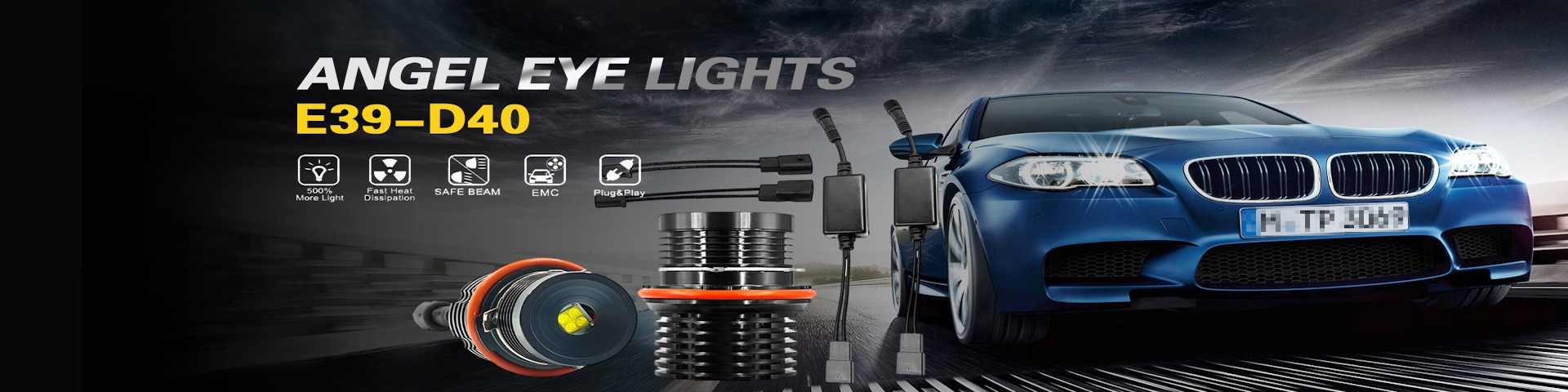
Статья исследует революционные светодиодные фары, которые кардинально улучшают ночное вождение, повышая безопасность, комфорт и эффективность. Узнайте, как современные технологии переопределяют ваш опыт на дороге.
Представьте себе ночную дорогу: темнота окутывает всё вокруг, лишь слабые огни вдалеке hint на приближающиеся опасности. Для многих водителей ночное вождение – это неизбежный стресс, связанный с плохой видимостью, усталостью глаз и повышенным риском аварий. Но что, если я скажу вам, что существует технология, способная полностью изменить этот опыт? Технология, которая не просто освещает путь, а переопределяет саму суть ночной поездки, делая её безопасной, комфортной и даже приятной. Это не фантастика – это реальность современных светодиодных фар, и сегодня мы глубоко погрузимся в мир, где свет становится вашим верным спутником в темноте.
Ночное вождение всегда было вызовом для человечества. С момента изобретения автомобиля осветительные системы прошли долгий путь от примитивных ацетиленовых фонарей до галогенных и ксеноновых ламп. Однако даже эти advancements не смогли полностью устранить inherent risks. Согласно статистике, до 50% всех смертельных ДТП происходят в тёмное время суток, несмотря на то, что ночью traffic volume значительно ниже. Основная причина – ограниченная видимость. Человеческий глаз не адаптирован идеально к ночным условиям; мы зависим от artificial lighting, чтобы компенсировать natural limitations. Традиционные фары часто создают блики, uneven illumination, и недостаточную дальность, что forces водителей напрягать зрение, leading к усталости и reduced reaction times.
Но сейчас мы стоим на пороге новой эры. Светодиодные (LED) технологии не просто улучшили освещение – они революционизировали его. LED фары предлагают unprecedented яркость, энергоэффективность, и intelligent features, которые adapt к дорожным условиям в real-time. Это не mere upgrade; это paradigm shift, который делает ночное вождение не только safer, но и more enjoyable. В этой статье мы explore every aspect этого transformative technology, от basic principles до cutting-edge innovations, и how оно can redefine ваш ночной drive.
Чтобы fully appreciate современные LED фары, необходимо оглянуться назад на history автомобильного освещения. В early days автомобили использовали oil lamps или ацетиленовые фонари, которые давали weak, flickering light и были highly unreliable. 1920-е годы saw introduction электрических фар с incandescent bulbs, но они still suffered от low luminosity и short lifespan.
1960-е принесли галогенные лампы, которые became standard для decades. Они offered improved brightness и efficiency compared to incandescent, но всё же had limitations: high energy consumption, heat generation, и tendency к ослеплению других водителей. 1990-е introduced ксеноновые (HID) фары, которые used газовый разряд для producing более яркого и white light. Они были significant step forward, но дорогие в production и maintenance, и всё ещё could create glare.
Enter светодиоды. Initially used в electronics и indicator lights, LEDs began appearing в automotive lighting в early 2000-х. Their advantages были immediately apparent: lower energy consumption, longer lifespan, instant on/off, и compact size. Но true breakthrough came с advances в brightness и controllability. Modern LED фары can produce over 2,000 lumens на фару, compared to 1,000-1,500 для галогенных, и они do so с superior color temperature (близкой к дневному свету), что reduces eye strain.
Сегодня, мы видим integration с adaptive systems, которые use cameras и sensors to dynamically adjust light pattern, avoiding glare для oncoming traffic while maximizing illumination для driver. This evolution от simple light sources до intelligent systems highlights how far мы've come – и куда мы headed.
At heart, светодиод – это semiconductor device that emits light when electric current passes through it. Unlike traditional bulbs, which rely on heating a filament (incandescent) or exciting a gas (HID), LEDs use electroluminescence, making them more efficient and durable. Key components включают LED chip, heat sink (для dissipating heat, since LEDs can still generate warmth), optical lenses, и electronic drivers.
One major advantage – directional light output. Traditional bulbs emit light omnidirectionally, requiring reflectors to focus it, which can lead to losses and uneven beams. LEDs are inherently directional, allowing precise control with lenses that shape the beam for optimal road coverage. This results in patterns like low beam for city driving (wide and short) and high beam for highways (long and narrow), with adaptive systems blending these seamlessly.
Energy efficiency is staggering: LEDs use up to 80% less power than halogen bulbs, reducing load on the vehicle's electrical system and improving fuel economy in combustion engines or battery life in EVs. Lifespan is another win – typically 15,000 to 30,000 hours versus 500-1,000 for halogen, meaning they often last the life of the car.
Color rendering is crucial; LEDs can achieve a Color Rendering Index (CRI) near 80-90, making objects appear more natural and easier to distinguish at night. Combined with adaptive features like cornering lights (which swivel with steering) and automatic high-beam control, the science behind LEDs transforms them from mere lights into sophisticated safety tools.
The benefits of LED headlights are multifaceted, impacting safety, comfort, and economics. Starting with safety: improved visibility is obvious. Studies show that better illumination can reduce night-time accident rates by up to 30%. LEDs provide brighter, whiter light that enhances contrast, making it easier to spot pedestrians, animals, or obstacles earlier. Adaptive systems take this further by dimming specific sections to avoid blinding others, a common issue with static high beams.
Comfort-wise, reduced eye strain is a game-changer. The natural white light (around 5000-6000K color temperature) mimics daylight, helping drivers stay alert and focused. No more squinting or fatigue from poor lighting. Additionally, instant response – LEDs light up immediately without the warm-up time required by HIDs – means quicker reaction in emergencies.
Economically, while initial cost is higher, long-term savings are significant. Lower energy consumption means less fuel use or longer electric range. Minimal maintenance due to longevity avoids replacement costs. For manufacturers, LEDs allow sleeker designs, integrating into aerodynamic body styles without bulky housings.
Environmental impact is positive too: less energy use translates to reduced CO2 emissions, and LEDs contain no hazardous materials like mercury found in some HIDs. Overall, LEDs represent a win-win for drivers, manufacturers, and the planet.
Adaptive LED systems are where technology truly shines. Using cameras, sensors, and GPS data, these systems adjust the light beam in real-time. For example, matrix LED headlights (pioneered by brands like Audi and BMW) consist of multiple LED segments that can be individually controlled. When oncoming traffic is detected, the system dims only the segments that would glare, maintaining full illumination elsewhere.
Other features include cornering lights that illuminate curves as you turn, highway mode that extends beam range at high speeds, and urban mode that widens the beam for better peripheral vision in city driving. Some systems even project warnings or symbols onto the road, like indicating icy conditions or navigation arrows.
Integration with autonomous driving is the next frontier. Future systems will communicate with other vehicles and infrastructure, creating coordinated lighting environments that enhance safety for all road users. This intelligence transforms headlights from passive components to active partners in driving.
Comparing LEDs to halogens and HIDs highlights their superiority. Halogens are cheap but inefficient and short-lived. HIDs offer good brightness but suffer from slow start-up and higher power draw. LEDs outperform in almost every metric: brightness, efficiency, lifespan, and responsiveness.
Lasers are another emerging technology, offering even longer range, but they are currently expensive and limited to high-beam assist rather than full replacement. LEDs strike the best balance of performance, cost, and versatility, making them the dominant choice for modern vehicles.
The future holds exciting possibilities. OLED (Organic LED) technology promises even thinner, flexible light sources for innovative designs. Connectivity will enable vehicle-to-everything (V2X) communication, where headlights adapt based on traffic data from clouds or other cars.
Energy harvesting innovations might integrate solar cells into light housings. Augmented reality projections could turn windshields into displays overlaying information directly onto the road. As autonomous vehicles evolve, lighting will focus more on communication with pedestrians and other drivers rather than just illumination.
LED headlights are not just an accessory; they are a revolution in automotive safety and comfort. By upgrading to vehicles with advanced LED systems, you can transform night driving from a chore into a confident, enjoyable experience. Embrace the light – it's time to redefine your journey.
This article has explored the depth of LED technology, but the real test is on the road. Try it for yourself and feel the difference.
 1388xx888xx