
-
-
Телефоны для консультирования по оперативным вопросам
1388xx888xx
-
-
-
24Часовой консультационный телефон
1388xx888xx
-

1388xx888xx
1388xx888xx


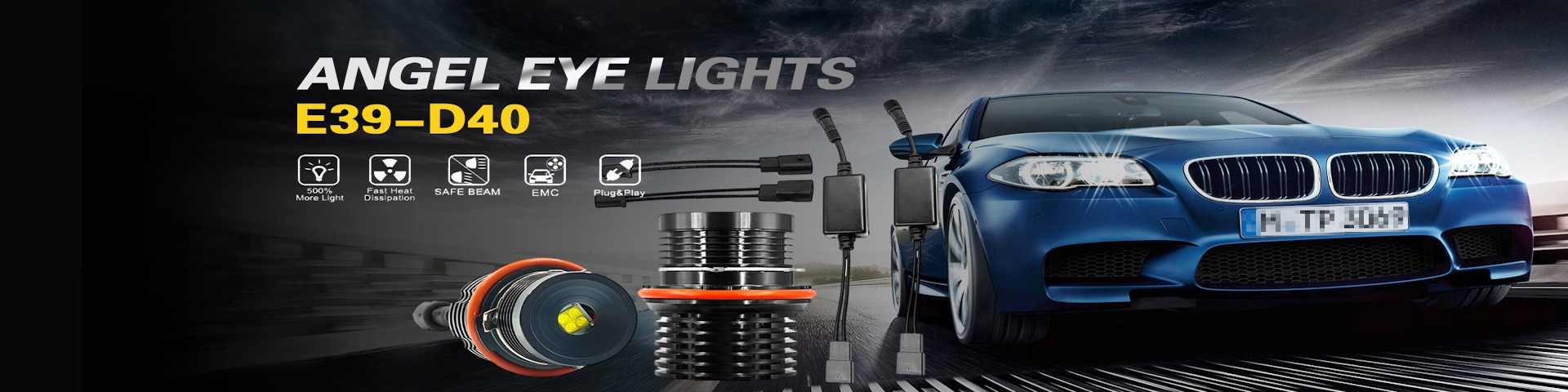
Подробный обзор новейших светодиодных фар, их преимуществ, технологических инноваций и влияния на безопасность и стиль вождения.
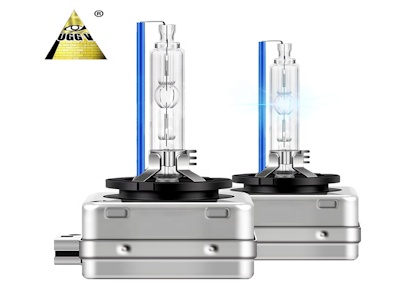
В мире автомобильных технологий освещение играет ключевую роль не только для безопасности, но и для эстетики. Светодиодные фары нового поколения представляют собой настоящую революцию, предлагая беспрецедентную яркость, энергоэффективность и дизайн. В этой статье мы глубоко погрузимся в детали этих инноваций, исследуя их преимущества, технологические основы и влияние на будущее вождения.
Светодиоды (LED) существуют уже несколько десятилетий, но их применение в автомобильных фарах стало массовым лишь в последние годы. В отличие от традиционных галогенных или ксеноновых ламп, светодиоды используют полупроводниковые материалы для генерации света, что позволяет достичь更高的 эффективности и долговечности. Новое поколение светодиодных фар incorporates advanced features such as adaptive lighting, matrix technology, and intelligent control systems, making them a game-changer in the automotive industry.
Эти фары not only illuminate the road better but also enhance vehicle aesthetics and reduce energy consumption, contributing to overall sustainability.
Одним из главных преимуществ является exceptional brightness. Светодиоды могут производить light with a color temperature close to daylight, which improves driver visibility and reduces eye strain. This is particularly beneficial for night driving or in adverse weather conditions like fog or rain. Studies have shown that LED headlights can increase reaction times by up to 20% compared to conventional lights, potentially preventing accidents.
Moreover, the focused beam patterns allow for precise control, minimizing glare for oncoming traffic while maximizing illumination of the road ahead. This is achieved through sophisticated optics and reflectors designed specifically for LED applications.
Светодиоды consume significantly less power than halogen or xenon bulbs. For example, a typical LED headlight uses about 10-20 watts per light, whereas halogens can use up to 55 watts. This not only saves energy but also reduces the load on the vehicle's electrical system, potentially extending battery life. Additionally, LEDs have a much longer lifespan, often lasting over 25,000 hours compared to 1,000 hours for halogens. This means fewer replacements and lower maintenance costs over the life of the vehicle.
The durability of LEDs is another key factor; they are resistant to vibrations and shocks, making them ideal for rough road conditions.
Светодиодные фары allow for more creative and sleek designs. Automakers can integrate them into the vehicle's body seamlessly, creating distinctive lighting signatures that enhance brand identity. Features like dynamic turn signals or adaptive cornering lights add a touch of modernity and sophistication. Consumers often cite the stylish appearance of LED headlights as a major factor in their purchasing decisions, highlighting the blend of form and function.
New generation LED headlights often include adaptive features that adjust the beam pattern based on driving conditions. For instance, they can automatically dim when detecting oncoming traffic to prevent glare, or swivel to illuminate curves in the road. This is made possible by sensors and cameras that monitor the environment in real-time, providing a safer and more comfortable driving experience.
Some systems even use GPS data to anticipate road curves and adjust lighting accordingly, showcasing the integration of smart technology into automotive lighting.
Matrix LED headlights consist of multiple individual LEDs that can be controlled independently. This allows for precise beam shaping, such as creating dark spots to avoid dazzling other drivers while maintaining full illumination elsewhere. It's a step beyond adaptive lighting, offering unparalleled customization and safety. Brands like Audi and Mercedes-Benz have pioneered this technology, setting new standards in the industry.
The ability to project information onto the road, like navigation arrows or warning symbols, is another exciting development made possible by matrix technology.
Advanced control systems use algorithms to optimize lighting performance. For example, they can adjust brightness based on speed or weather conditions, or integrate with other vehicle systems like navigation for enhanced functionality. These systems often include self-diagnostic capabilities, alerting drivers to issues before they become serious problems.
The use of artificial intelligence in some high-end models allows for predictive lighting, where the system learns driving patterns and adjusts proactively.
Improved lighting directly correlates with reduced accident rates. According to research, proper illumination can decrease nighttime crash risks by up to 30%. LED headlights, with their superior brightness and adaptive features, contribute significantly to this. They help drivers see obstacles earlier, navigate difficult terrain more easily, and communicate intentions more clearly through lighting signals.
Furthermore, the reduced glare for other road users enhances overall road safety, making LED technology a win-win for all parties involved.
LEDs are more environmentally friendly than traditional lighting options. They contain no hazardous materials like mercury (found in some HID bulbs) and have a lower carbon footprint due to their energy efficiency. As the automotive industry moves towards electrification, the reduced power consumption of LED headlights aligns perfectly with the goals of sustainability and reduced emissions.
Additionally, the longer lifespan means less waste from discarded bulbs, further minimizing environmental impact.
The evolution of LED headlights is far from over. Emerging trends include the integration of laser technology for even greater range and efficiency, as well as the development of organic LEDs (OLEDs) for more flexible and thin lighting designs. Connectivity with smart city infrastructure could allow headlights to interact with traffic signals or other vehicles, creating a safer and more efficient transportation ecosystem.
As autonomous driving technology advances, lighting will play a crucial role in vehicle-to-everything (V2X) communication, with headlights potentially displaying messages or warnings to pedestrians and other drivers.
Светодиодные фары нового поколения represent a monumental leap forward in automotive technology. They offer unmatched benefits in terms of safety, efficiency, and design, making them an essential feature for modern vehicles. As technology continues to evolve, we can expect even more innovative applications that will further enhance the driving experience. Whether you're a car enthusiast or a everyday driver, embracing LED headlights is a step towards a brighter, safer future on the road.
Investing in these advanced lighting systems not only improves your vehicle's performance but also contributes to a more sustainable world. So, next time you're behind the wheel, appreciate the engineering marvel that is the LED headlight – it's truly a dazzling breakthrough.
This article has covered the key aspects of new generation LED headlights, but the topic is vast and ever-changing. Stay tuned for more updates as technology progresses!
 1388xx888xx