
-
-
Телефоны для консультирования по оперативным вопросам
1388xx888xx
-
-
-
24Часовой консультационный телефон
1388xx888xx
-

1388xx888xx
1388xx888xx


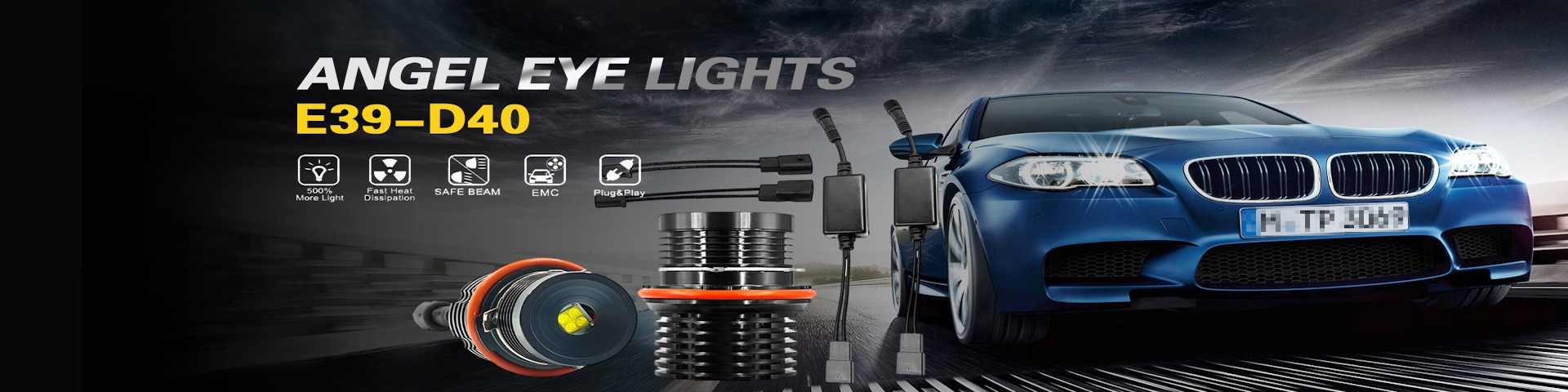
Эта статья исследует стратегическое сотрудничество в сфере автомобильного освещения, подчеркивая инновационные решения, такие как светодиодные и лазерные технологии, которые улучшают безопасность, эффективность и экологичность. Обсуждаются ключевые игроки, тенденции рынка и будущие направления развития.
В современном мире автомобильная индустрия переживает беспрецедентную трансформацию, driven by technological advancements and increasing consumer demands for safety, efficiency, and sustainability. Одной из ключевых областей, где инновации играют pivotal role, является автомобильное освещение. Стратегическое сотрудничество между автопроизводителями, поставщиками и research institutions has led to groundbreaking solutions that not only enhance vehicle aesthetics but also significantly improve road safety and environmental performance. В этой статье мы подробно рассмотрим how such collaborations are shaping the future of automotive lighting, with a focus on innovative technologies, market trends, and the benefits they bring.
Автомобильное освещение прошло долгий путь от simple incandescent bulbs to sophisticated LED and laser systems. Initially, lighting was primarily functional, designed to illuminate the road ahead and make vehicles visible to others. Однако с развитием технологий, освещение стало integral part of vehicle design, contributing to brand identity and user experience. The shift towards innovation began in the late 20th century with the introduction of halogen and xenon lights, but it was the advent of light-emitting diodes (LEDs) that truly revolutionized the industry. LEDs offer superior energy efficiency, longer lifespan, and greater design flexibility compared to traditional options.
Стратегическое сотрудничество сыграло crucial role in this evolution. For instance, partnerships between automotive giants like BMW and lighting specialists such as Osram have accelerated the adoption of LED technology. These collaborations enable shared R&D efforts, reducing costs and time-to-market for new innovations. Moreover, they facilitate the integration of advanced features like adaptive lighting, which adjusts beam patterns based on driving conditions, thereby enhancing safety. As we delve deeper, it becomes evident that cooperation is not just beneficial but essential for driving progress in this field.
В индустрии автомобильного освещения, several key players dominate the market, including companies like Philips, HELLA, Valeo, and Koito Manufacturing. These firms often engage in strategic partnerships with automakers to develop cutting-edge solutions. For example, the collaboration between Audi and HELLA led to the development of matrix LED headlights, which use multiple individually controlled LEDs to avoid dazzling other drivers while maintaining high beam performance. This technology exemplifies how cooperation can result in products that balance innovation with practicality.
Another notable example is the partnership between Toyota and Denso, which focuses on developing eco-friendly lighting systems. By leveraging Denso's expertise in electronics and Toyota's mass-production capabilities, they have introduced LED lights that consume up to 80% less energy than halogen alternatives. This not only reduces the carbon footprint of vehicles but also aligns with global sustainability goals. Such collaborations often involve cross-border efforts, with European, Asian, and American companies working together to pool resources and knowledge, thereby fostering a global innovation ecosystem.
Кроме того, research institutions and universities play a vital role in these partnerships. For instance, the Fraunhofer Institute in Germany collaborates with automotive companies on projects related to smart lighting systems. These initiatives explore the use of sensors and AI to create lighting that responds dynamically to environmental changes, such as fog or rain. By involving academia, the industry gains access to cutting-edge research and fresh perspectives, which are crucial for staying ahead in a competitive market.
Современные инновации в автомобильном освещении encompass a wide range of technologies, each offering unique benefits. LED technology remains at the forefront due to its efficiency and versatility. However, recent advancements have seen the emergence of laser lighting, which provides even greater brightness and range. For example, BMW's laser headlights can illuminate up to 600 meters ahead, significantly improving visibility on dark roads. This technology is particularly useful for high-speed driving and has been developed through collaborations with specialists like Laser Components.
Another groundbreaking innovation is organic light-emitting diodes (OLEDs), which offer thin, flexible lighting solutions that can be integrated into vehicle surfaces for aesthetic and functional purposes. Companies like LG Display have partnered with automakers to incorporate OLED tail lights that provide uniform illumination and unique design possibilities. Additionally, adaptive driving beams (ADB) use cameras and sensors to adjust lighting in real-time, preventing glare for oncoming traffic while maximizing illumination. These systems are often co-developed by lighting suppliers and automotive OEMs to ensure seamless integration into vehicle architectures.
Beyond functionality, there is a growing focus on connectivity and smart features. For instance, lighting systems can now communicate with other vehicles and infrastructure through vehicle-to-everything (V2X) technology. This allows for scenarios where headlights warn of hazards or indicate intentions, enhancing overall road safety. Collaborations between tech companies like Cisco and automotive firms are driving these innovations, highlighting the importance of interdisciplinary cooperation.
Инновационные решения в автомобильном освещении offer numerous advantages, with safety being paramount. Improved visibility reduces the risk of accidents, especially in poor weather conditions. Studies show that LED and laser lights can decrease nighttime collision rates by up to 20% compared to traditional systems. Moreover, features like adaptive lighting and glare-free high beams contribute to a more comfortable and secure driving experience. These benefits are directly tied to the collaborative efforts that enable rapid testing and refinement of technologies.
Efficiency is another critical benefit. LED lights consume less power, which is particularly important for electric vehicles (EVs) where energy conservation extends driving range. For example, a switch to LED lighting can save several watts per vehicle, contributing to overall energy efficiency. This aligns with the automotive industry's shift towards electrification and sustainability. Collaborations often focus on optimizing energy use, as seen in partnerships between lighting companies and EV manufacturers like Tesla.
Экологичность также играет key role. Modern lighting systems are designed with recyclable materials and reduced hazardous substances, minimizing environmental impact. For instance, the phase-out of mercury in xenon lights in favor of LEDs demonstrates how innovation driven by cooperation can lead to greener products. Furthermore, the longer lifespan of LEDs reduces waste from frequent bulb replacements. These environmental benefits are increasingly important to consumers and regulators, making them a focal point for strategic partnerships.
Рынок автомобильного освещения is experiencing robust growth, driven by increasing vehicle production and the adoption of advanced technologies. According to market research, the global automotive lighting market is expected to reach over $40 billion by 2025, with a compound annual growth rate (CAGR) of around 6%. This growth is fueled by trends such as the rise of autonomous vehicles, which require sophisticated lighting for sensors and communication. Collaborations are essential here, as automakers partner with tech firms to develop lighting that integrates with autonomous systems.
Future directions include the development of augmented reality (AR) head-up displays (HUDs) that project information onto the windshield, using lighting technologies to enhance driver awareness. Additionally, there is a push towards personalized lighting, where systems adapt to individual driver preferences or health conditions, such as reducing blue light for better sleep patterns. These innovations will rely heavily on data analytics and AI, necessitating partnerships between automotive, tech, and healthcare sectors.
Еще одной emerging trend is the use of sustainable materials in lighting production. Companies are exploring bio-based plastics and other eco-friendly components to reduce carbon footprints. Strategic collaborations with material science firms can accelerate these developments, ensuring that the industry moves towards a circular economy. As regulations tighten and consumer awareness grows, these trends will shape the future of automotive lighting, making cooperation more critical than ever.
В заключение, стратегическое сотрудничество в области автомобильного освещения is not merely a trend but a necessity for driving innovation. By bringing together expertise from various fields, these partnerships enable the development of solutions that enhance safety, efficiency, and sustainability. From LED and laser technologies to smart and adaptive systems, the advancements we see today are a testament to the power of collaboration. As the automotive industry continues to evolve, with shifts towards electrification and autonomy, the role of lighting will only become more prominent.
To maintain momentum, stakeholders must continue to foster open innovation ecosystems, where knowledge sharing and joint ventures are encouraged. This will not only benefit individual companies but also contribute to broader societal goals, such as reducing traffic accidents and environmental impact. In the words of industry leaders, "The future of automotive lighting is bright, but it requires united efforts to shine its fullest." Let us embrace these collaborations and look forward to a safer, more efficient, and sustainable driving experience for all.
 1388xx888xx