
-
-
Телефоны для консультирования по оперативным вопросам
1388xx888xx
-
-
-
24Часовой консультационный телефон
1388xx888xx
-

1388xx888xx
1388xx888xx


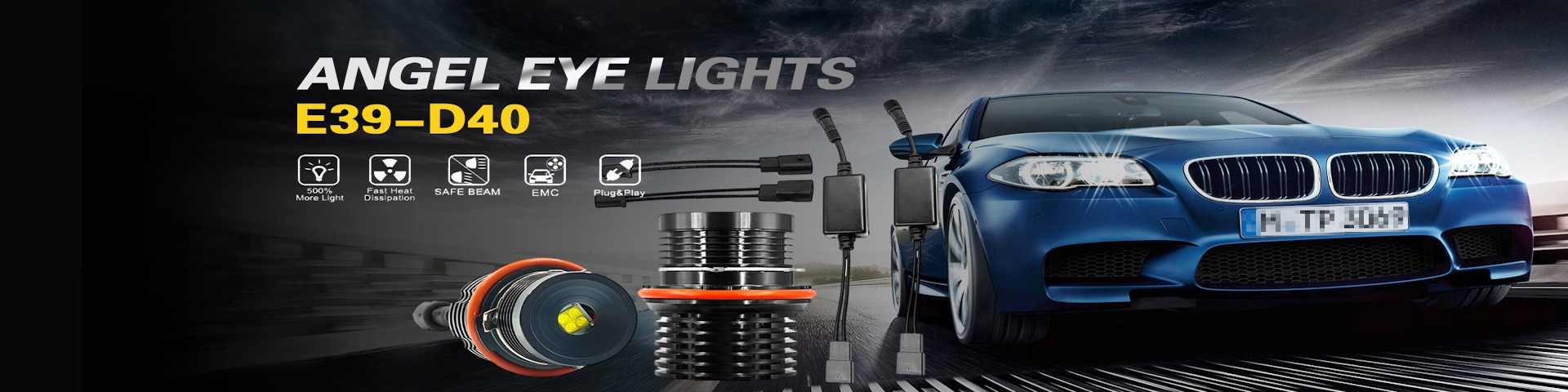
Эта статья исследует стратегические возможности для бизнеса в экспорте автомобильных фар, анализируя глобальные тенденции, ключевые рынки, инновационные технологии и практические шаги для успешного выхода на международную арену. Узнайте, как использовать растущий спрос на автокомпоненты для максимизации прибыли и укрепления позиций на мировом рынке.
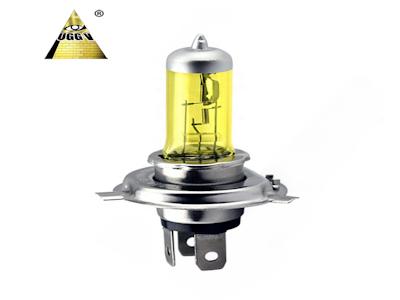
В современном глобализированном мире экспорт автомобильных фар представляет собой одну из самых перспективных и прибыльных ниш для бизнеса. Автомобильная промышленность продолжает расти, и с ней растет спрос на высококачественные компоненты, включая фары. Эта статья подробно исследует стратегические возможности, которые открываются перед предпринимателями и компаниями, стремящимися выйти на международный рынок с этим продуктом. Мы рассмотрим ключевые тенденции, преимущества экспорта, потенциальные вызовы и практические шаги для успешной реализации экспортной стратегии.
Автомобильные фары – это не просто функциональный компонент транспортного средства; они являются символом инноваций, безопасности и эстетики. С развитием технологий, таких как светодиодные (LED) и лазерные фары, этот сегмент рынка переживает бум. Глобальный рынок автомобильных фар оценивается в миллиарды долларов и продолжает расширяться благодаря увеличению производства автомобилей, растущему спросу на замену компонентов и ужесточению стандартов безопасности.
Экспорт автомобильных фар предлагает уникальные возможности для бизнеса: доступ к новым рынкам, диверсификация доходов, использование сравнительных преимуществ (например, низкие производственные затраты в некоторых регионах) и потенциал для высоких прибылей. Однако успех в этой области требует тщательного планирования, понимания международных норм и адаптации к локальным предпочтениям.
Мировой рынок автомобильных фар характеризуется несколькими ключевыми тенденциями. Во-первых, рост продаж автомобилей в развивающихся странах, таких как Китай, Индия и страны Юго-Восточной Азии, стимулирует спрос на оригинальные и запасные фары. Во-вторых, технологические инновации, включая адаптивные фары, системы ночного видения и подключение к IoT, делают этот продукт более ценным и востребованным.
Согласно отчетам аналитических агентств, таких как Statista и McKinsey, объем рынка автомобильного освещения к 2030 году может превысить $50 миллиардов. Это связано с увеличением производства электромобилей, которые часто оснащаются продвинутыми системами освещения. Кроме того, ужесточение правил безопасности, например, обязательное использование дневных ходовых огней в ЕС и других регионах, создает дополнительный спрос.
Ключевые игроки на рынке включают крупные компании like HELLA, Valeo, and Koito, но есть место для малых и средних предприятий, особенно в нишевых сегментах, таких как кастомные или eco-friendly фары.
Экспорт предоставляет numerous benefits for businesses. First, it allows for economies of scale – producing in large quantities for multiple markets can reduce unit costs. Second, it mitigates risks by diversifying revenue streams; if one market faces a downturn, others can compensate. Third, exporting can enhance brand reputation and credibility on a global scale.
For automotive lights, specific advantages include high demand in regions with harsh weather conditions (e.g., Northern Europe, where reliable lighting is crucial), growing aftermarket in aging vehicle fleets, and opportunities in emerging markets where car ownership is rising. Additionally, exporting can leverage cost advantages; for instance, manufacturing in countries with lower labor costs and exporting to high-income regions can yield significant margins.
Identifying target markets is crucial for export success. The European Union is a prime destination due to strict safety regulations and high consumer awareness. Germany, France, and the UK are major importers of automotive components. North America, particularly the US and Canada, offers opportunities in the aftermarket sector, where consumers frequently upgrade their vehicle lights.
Asia-Pacific is another hot spot, with China and India leading in production and consumption. However, these markets are highly competitive, so differentiation through quality or innovation is key. Latin America and Middle East are emerging markets with growing automotive industries, though they may present challenges like regulatory hurdles or economic volatility.
When selecting markets, consider factors such as import tariffs, local standards (e.g., ECE regulations in Europe), cultural preferences (e.g., aesthetic designs popular in certain regions), and logistics costs.
To succeed in exporting automotive lights, businesses should adopt a multifaceted strategy. Start with market research to understand demand, competition, and regulations. Develop a strong value proposition – for example, focus on energy-efficient LED lights or customizable options.
Building partnerships with local distributors or retailers can facilitate market entry. Invest in certifications like ISO or region-specific approvals (e.g., DOT for the US) to build trust. Utilize digital marketing, including SEO and social media, to reach international customers. Participate in trade fairs such as Automechanika or CES to showcase products and network.
Logistics and supply chain management are critical; ensure reliable shipping, warehousing, and after-sales support. Consider using incoterms like FOB or CIF to clarify responsibilities. Finally, adapt products to local needs – for instance, offer right-hand drive versions for markets like the UK or Japan.
The future of automotive lighting is bright with innovations. Smart lights with AI integration, which adjust beam patterns based on traffic conditions, are gaining traction. Solar-powered or energy-harvesting lights appeal to eco-conscious markets. 3D printing technology allows for rapid prototyping and custom designs, reducing time to market.
As autonomous vehicles become more common, the role of lights may evolve beyond illumination to communication (e.g., signaling intentions to pedestrians). Exporters who invest in R&D and stay ahead of trends will capture new opportunities. Collaboration with tech companies or automotive OEMs can open doors to high-value contracts.
Exporting is not without challenges. Regulatory compliance can be complex, with varying standards across countries. Mitigate this by hiring experts or using compliance software. Currency fluctuations can affect profitability; use hedging strategies or price contracts in stable currencies.
Competition is fierce, so differentiate through quality, customer service, or unique features. Supply chain disruptions, as seen during the COVID-19 pandemic, require robust contingency plans. Cultural barriers might impact marketing; localize content and work with native speakers.
Financing export operations can be costly; explore government grants, export credit agencies, or partnerships to share risks. Start small with pilot exports to test markets before scaling up.
For businesses looking to start exporting automotive lights, follow these steps: 1. Conduct thorough market research to identify viable markets. 2. Develop a business plan with clear goals, budget, and timeline. 3. Ensure product compliance with international standards. 4. Build a website and online presence in multiple languages. 5. Attend international trade shows to make connections. 6. Secure logistics partners for shipping and distribution. 7. Start with small orders to minimize risk and gather feedback. 8. Continuously monitor performance and adapt strategies based on results.
Leverage resources from export promotion agencies, such as the Russian Export Center, which offers support with market intelligence, financing, and legal advice.
Экспорт автомобильных фар – это стратегическая возможность, которая может catapult ваш бизнес на global stage. With the right approach, including market analysis, innovation, and strategic partnerships, you can tap into growing demand and achieve sustainable growth. The automotive industry is evolving, and lights are at the forefront of this transformation. Seize the moment, invest in your export capabilities, and illuminate your path to international success.
Remember, success in exporting requires patience, adaptability, and a commitment to quality. By focusing on customer needs and staying agile, you can turn these strategic opportunities into profitable realities. Start your export journey today and watch your business shine on the world map.
 1388xx888xx