
-
-
Телефоны для консультирования по оперативным вопросам
1388xx888xx
-
-
-
24Часовой консультационный телефон
1388xx888xx
-

1388xx888xx
1388xx888xx

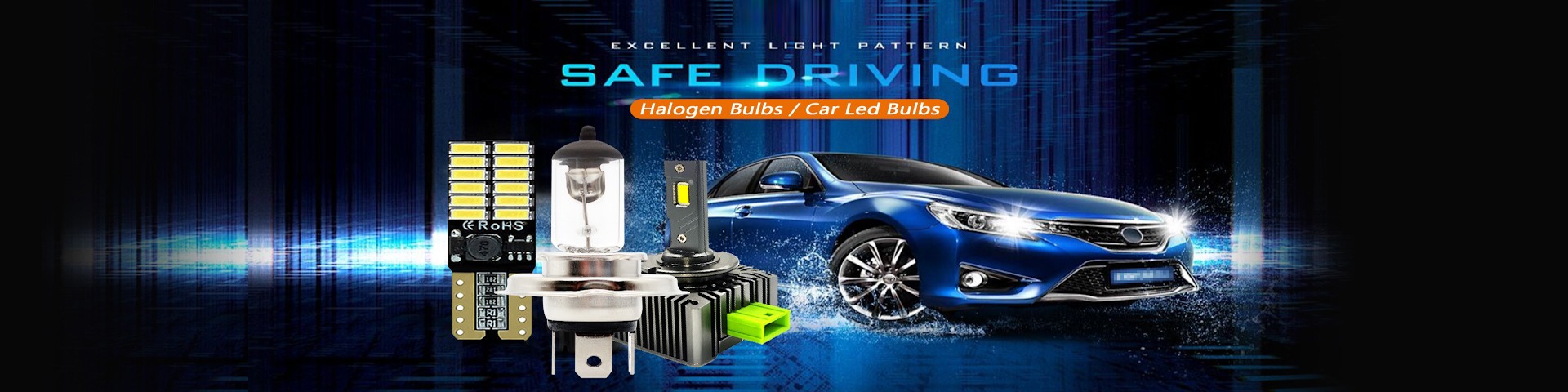
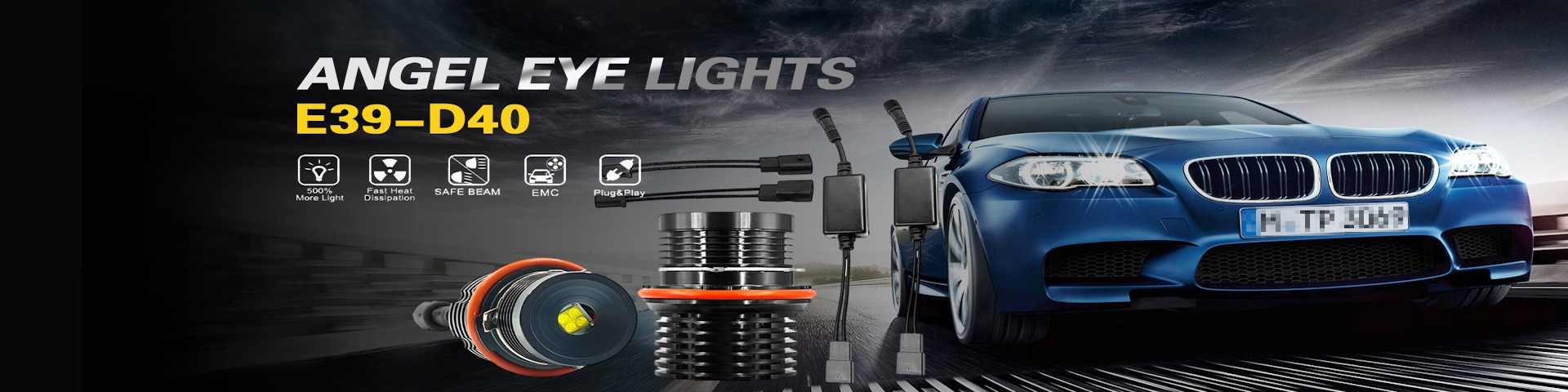
Статья о преимуществах светодиодных фар, включая энергоэффективность, повышение комфорта вождения и современные технологические решения для автомобилей.
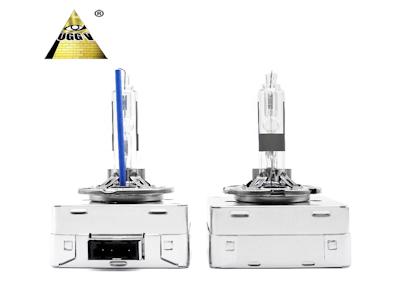
В современном мире автомобильная индустрия постоянно развивается, предлагая инновационные решения для улучшения опыта вождения. Одним из ключевых элементов, который значительно влияет на безопасность и комфорт, является освещение. Светодиодные фары стали настоящим прорывом в этой области, предлагая не только яркий и равномерный свет, но и существенную экономию энергии. В этой статье мы подробно рассмотрим, как светодиодные технологии преобразуют автомобильное освещение, делая его более эффективным и удобным для водителей.
Светодиоды, или LED (Light Emitting Diodes), представляют собой полупроводниковые устройства, которые излучают свет при прохождении через них электрического тока. В отличие от традиционных галогенных или ксеноновых ламп, светодиоды не имеют нити накаливания или газоразрядной камеры, что делает их более долговечными и энергоэффективными. Первые светодиоды были изобретены в 1960-х годах, но их массовое применение в автомобильной промышленности началось лишь в последние десятилетия, благодаря advancements в материалах и производственных процессах.
История развития светодиодных фар началась с использования их в качестве дополнительного освещения, такого как дневные ходовые огни или стоп-сигналы. Однако, с улучшением яркости и цветовой температуры, LED-технологии быстро перешли на основное освещение – фары головного света. Сегодня многие производители автомобилей, включая luxury бренды like BMW, Audi, и Mercedes-Benz, интегрируют светодиодные фары в свои модели как стандартное оборудование, подчеркивая их премиальность и инновационность.
Преимущества светодиодных фар по сравнению с традиционными вариантами очевидны. Они потребляют значительно меньше энергии – до 80% меньше, чем галогенные лампы, что напрямую снижает нагрузку на автомобильный генератор и аккумулятор. Это не только экономит топливо (в бензиновых и дизельных автомобилях) или заряд батареи (в электромобилях), но и продлевает срок службы электросистемы автомобиля. Кроме того, светодиоды имеют мгновенное включение, без задержек, характерных для ксеноновых ламп, что улучшает реакцию в критических ситуациях на дороге.
Еще одним ключевым преимуществом является долговечность. Светодиодные фары могут работать до 50,000 часов и более, что в несколько раз превышает срок службы галогенных ламп (обычно около 1,000 часов) и ксеноновых ламп (до 2,000 часов). Это означает, что владельцы автомобилей реже сталкиваются с необходимостью замены фар, экономя время и деньги на обслуживании. Кроме того, LED-технологии позволяют создавать более компактные и гибкие designs, что открывает возможности для инновационных дизайнов фар, улучшающих аэродинамику и внешний вид автомобиля.
В плане комфорта, светодиодные фары обеспечивают superior illumination. Они производят свет с цветовой температурой, близкой к дневному свету (обычно между 5000K и 6000K), что reduces eye strain и улучшает видимость в ночное время или в плохих погодных условиях, таких как дождь или туман. Это делает вождение более безопасным и приятным, позволяя водителям лучше различать obstacles и дорожные знаки на большем расстоянии.
Таким образом, переход на светодиодные фары – это не просто trend, а обоснованное решение для modern automobiles. В следующих разделах мы углубимся в детали того, как эти технологии экономят энергию, повышают комфорт, и какие инновации ожидают нас в будущем.
Одним из наиболее compelling аргументов в пользу светодиодных фар является их выдающаяся энергоэффективность. В эпоху, когда экологичность и экономия ресурсов становятся приоритетами для потребителей и производителей, LED-технологии предлагают tangible benefits. Давайте explore, как именно светодиодные фары экономят энергию и почему это важно для современных автомобилей.
Во-первых, baseload сравнение: традиционные галогенные лампы consume значительное количество энергии – typically около 55-60 watts на фару для ближнего света. В сумме для двух фар это составляет примерно 110-120 watts. Ксеноновые лампы, хотя и brighter, тоже energy-intensive, потребляя around 35 watts на лампу, но с additional energy для ballasts и ignition systems, что может увеличивать общее consumption до 70-80 watts на фару. In contrast, светодиодные фары typically consume всего 20-30 watts на фару для эквивалентного или even better светового output. Это означает reduction в energy consumption на 50-80% compared to галогенным options и на 20-50% compared to ксеноновым.
Это снижение energy consumption имеет прямое impact на fuel economy в vehicles с internal combustion engines. Автомобильный генератор должен produce electricity to power все electrical systems, включая фары. Когда фары consume меньше энергии, генератор works less hard, reducing mechanical load на engine. Это leads к slight improvement в fuel efficiency – estimates suggest, что switching от галогенных к светодиодным фарам может save до 0.1-0.2 liters of fuel на 100 km driving. Хотя это may seem small, на протяжении lifetime of a vehicle (e.g., 200,000 km), это can add up to significant savings – around 200-400 liters of fuel, что эквивалентно hundreds of dollars в money saved и reduction в CO2 emissions.
Для electric vehicles (EVs), energy efficiency even more critical, так как every watt saved extends driving range. EV batteries have limited capacity, и auxiliary systems like lighting can drain battery life. Светодиодные фары, consuming less power, help preserve battery charge, allowing for longer distances между charges. Это особенно важно для city driving или в conditions where energy management is key to maximizing range. Например, if an EV uses 150 watts для lighting с галогенными фарами, switching к LED (30 watts на фару, 60 watts total) saves 90 watts. При average energy consumption of 150 Wh/km, это saving can extend range на approximately 0.6 km per hour of driving – small but meaningful contribution to overall efficiency.
Кроме того, reduced energy consumption means less heat generation. Традиционные лампы, especially галогенные, produce significant heat как byproduct, что can lead to overheating issues в confined spaces like headlight assemblies. Это heat也必须 dissipated, often requiring additional cooling systems, которые themselves consume energy. Светодиоды, будучи more efficient, generate much less heat – typically only 10-20% of energy converted to heat compared to 90% для incandescent bulbs. Это not only improves safety (reducing risk of fires или damage to components) но и eliminates need for complex cooling, further saving energy и simplifying design.
Another aspect – longevity и reliability. Since светодиоды consume less power, они experience less stress на electrical components, such as wiring и switches. Это reduces wear and tear, leading to fewer failures и lower maintenance costs over time. Для fleet vehicles или commercial applications, где vehicles are driven extensively, эти savings can be substantial. Например, logistics компании reported up to 15% reduction в energy costs related to lighting после перехода на LED фары.
В целом, энергоэффективность светодиодных фар – это win-win situation: они save money на fuel или electricity, reduce environmental impact, и enhance vehicle performance. С continued advancements, such как smart lighting systems that adjust brightness based on conditions, будущее promises even greater efficiencies. В следующем разделе, мы discuss как эти технологии повышают комфорт вождения.
Комфорт вождения – это multidimensional concept, включающий visibility, safety, и overall experience. Светодиодные фары играют crucial role в enhancing these aspects, предлагая superior illumination и innovative features. Let's delve into how LED технологии make driving more comfortable и enjoyable.
First и foremost, quality of light. Светодиодные фары produce light с high color rendering index (CRI) и optimal color temperature. CRI measures how accurately light reveals true colors of objects, и LEDs typically have CRI above 80, compared to around 20-50 для галогенных ламп. Это means, что при светодиодном освещении, colors на road – такие как brake lights, road signs, или pedestrians' clothing – appear more vibrant и realistic, reducing eye strain и improving reaction times. Color temperature around 5000-6000K (cool white) closely mimics daylight, что makes night driving feel more natural и less fatiguing. Исследования показали, что drivers experience less visual fatigue при использовании LED фар, leading to safer long-distance journeys.
Brightness и beam pattern – another key factor. LEDs can be designed to produce very focused и uniform beams, with precise cut-offs to avoid blinding oncoming traffic. Modern LED фары often incorporate adaptive lighting systems, которые automatically adjust beam direction и intensity based on speed, steering angle, и environmental conditions. Например, cornering lights illuminate curves ahead, making night driving on winding roads much safer. High-beam assist systems can detect vehicles ahead и dim lights accordingly, ensuring optimal visibility without discomfort для other drivers. Эти features significantly reduce stress для driver, allowing them to focus on road rather than manually adjusting lights.
Instant-on capability – unlike ксеноновые лампы, которые require few seconds to reach full brightness, LEDs light up instantly. Это crucial для situations like sudden braking или avoiding obstacles, где every millisecond counts. Additionally, LEDs do not suffer from degradation over time like traditional bulbs; они maintain consistent brightness throughout their lifespan, ensuring reliable performance year after year.
Comfort также extends to aesthetic и customization. LED фары allow for sleek, modern designs that enhance vehicle's appearance. Many models offer customizable light signatures – such as dynamic turn signals или welcome lights – that add personal touch и luxury feel. Для owners, это повышает pride of ownership и overall satisfaction.
In adverse weather, LED фары excel. Their white light with blue spectrum improves penetration в fog, rain, или snow, compared to yellowish light of halogens. Это enhances visibility в poor conditions, reducing accidents и making driving less stressful. Some advanced systems even integrate with weather sensors to automatically adjust light pattern for optimal performance.
Overall, светодиодные фары transform driving experience by providing clearer, safer, и more comfortable illumination. Они reduce driver fatigue, improve safety, и add element of sophistication to vehicles. As technology evolves, we can expect even smarter systems that further elevate comfort.
Светодиодные технологии не стоят на месте; они continuously evolving with cutting-edge innovations that push boundaries of automotive lighting. Let's explore some of the latest advancements that make LED фары even more effective и comfortable.
Matrix LED technology – this is revolutionary system where multiple LEDs are individually controlled to create adaptive beam patterns. Using cameras и sensors, system detects other vehicles, pedestrians, и road conditions, then selectively dims или brightens specific LEDs to avoid glare while maximizing illumination. Например, if oncoming car is detected, system will create dark zone around that vehicle, keeping high beam on elsewhere. Это provides constant high-beam benefits without blinding others, significantly improving night driving comfort.
Laser light technology – although not purely LED, often integrated with LEDs in high-end systems. Laser lights can project light up to 600 meters ahead, doubling the range of conventional LEDs. Они are extremely energy-efficient и compact, enabling even more design flexibility. However, due to cost, они are currently limited to premium vehicles.
Smart connectivity – modern LED фары can connect to vehicle's infotainment system или smartphones via apps. Drivers can customize light settings, such as color temperature или intensity, based on personal preferences. Some systems offer diagnostic features, alerting owners if bulb is failing или needs adjustment.
Energy harvesting innovations – researchers are developing ways to integrate solar cells или thermoelectric generators into headlight assemblies to further reduce energy consumption. Например, small solar panels could power daytime running lights, adding to overall efficiency.
These innovations not only enhance performance but also open doors for autonomous vehicles, where lighting will play key role in communication with other road users. For instance, LED фары could display signals или warnings to pedestrians.
In summary, technological advancements in LED фары are making them smarter, more efficient, и integral to future mobility. As costs decrease, these features will become accessible to broader market, revolutionizing how we think about automotive lighting.
Choosing the right LED фары can be daunting with many options available. Here are practical tips to help you make informed decision.
First, consider compatibility with your vehicle. Not all LED kits are universal; check for models specifically designed for your make и year. Look for products that are DOT или ECE certified to ensure they meet safety standards.
Brightness и lumen output – higher lumens mean brighter light, but balance with legal limits to avoid glare. Aim for at least 2000 lumens per light for effective illumination.
Color temperature – choose between 5000K-6000K for daylight-like white light, which offers best visibility и comfort.
Installation – while many LED kits are plug-and-play, some may require professional installation, especially if modifying headlight housing. Ensure proper alignment to prevent blinding other drivers.
Warranty и brand reputation – opt for reputable brands like Philips, Osram, или HELLA that offer good warranties и customer support.
By following these tips, you can enjoy the benefits of LED фары without hassle.
В заключение, светодиодные фары represent significant advancement in automotive technology, offering unparalleled energy efficiency и enhanced driving comfort. Они reduce energy consumption, save money, и provide superior illumination that makes night driving safer и more enjoyable.
Looking ahead, future of LED lighting is bright with innovations like OLEDs (Organic LEDs) для even thinner designs, и integration with AI для fully adaptive systems. As electric vehicles become more prevalent, energy-efficient lighting will be crucial for maximizing range.
We encourage all drivers to consider upgrading to LED фары – it's investment that pays off in safety, comfort, и savings. Embrace the light of tomorrow today!
Thank you for reading, и safe driving!
 1388xx888xx