
-
-
Телефоны для консультирования по оперативным вопросам
1388xx888xx
-
-
-
24Часовой консультационный телефон
1388xx888xx
-

1388xx888xx
1388xx888xx

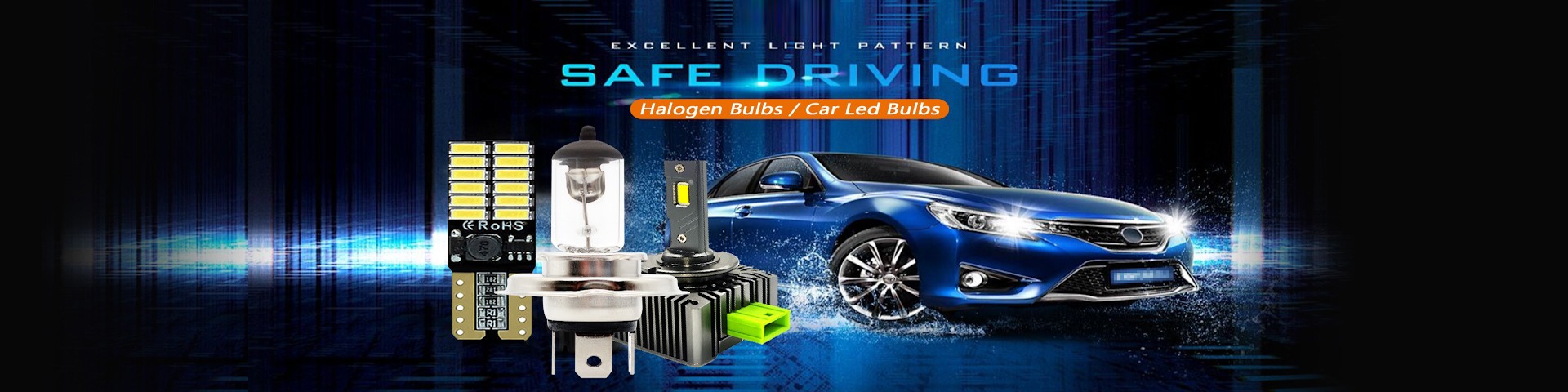
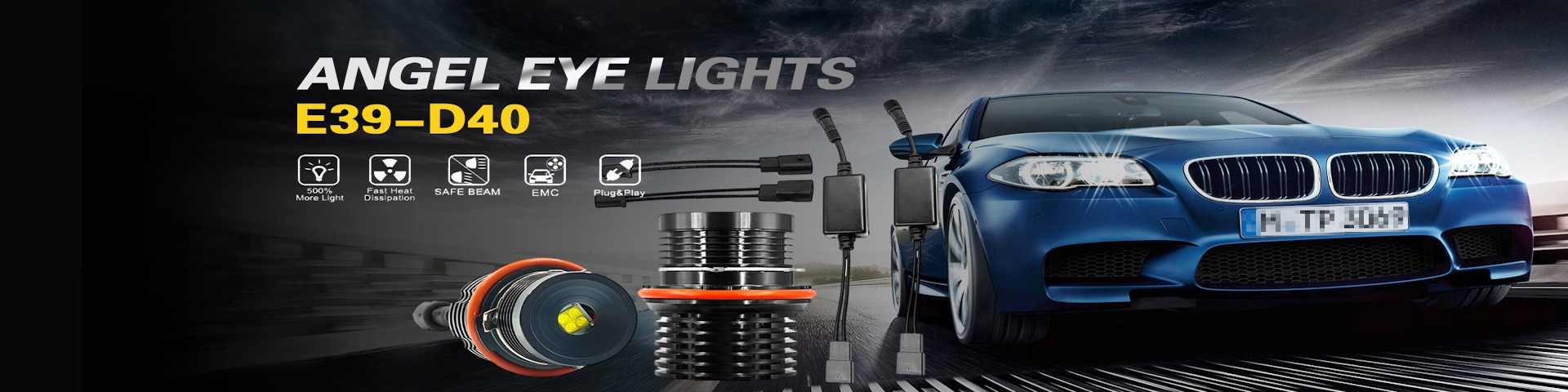
Эта статья исследует передовые материалы, используемые в автомобильных фарах, такие как поликарбонат и светодиоды, обсуждая их преимущества для безопасности, дизайна и эффективности, и перспективы будущего развития в автомобильной промышленности.

Введение в мир современных автомобильных фар раскрывает удивительные инновации, которые не только улучшают видимость на дорогах, но и переопределяют стандарты безопасности и эстетики. С развитием технологий, материалы, используемые в производстве фар, эволюционировали от простого стекла к сложным композитам и светодиодным системам. Эта статья углубляется в лучшие материалы для автомобильных фар, обсуждая их свойства, преимущества и то, как они открывают новые горизонты для автомобильной промышленности. Мы рассмотрим ключевые аспекты, включая долговечность, энергоэффективность, дизайн и будущие тренды, предоставляя читателям всестороннее понимание этой критически важной компоненты автомобиля.
Автомобильные фары прошли долгий путь с момента их изобретения в конце 19 века. Изначально фары изготавливались из простого стекла, которое было хрупким и малоэффективным в плане светопропускания. Стеклянные фары доминировали в автомобильной промышленности до середины 20 века, но их недостатки, такие как вес, склонность к растрескиванию и ограниченные возможности дизайна, побудили инженеров искать альтернативы. В 1960-х годах появились первые пластиковые фары на основе акрила, которые предложили улучшенную ударопрочность и более легкий вес. Однако настоящий прорыв произошел с внедрением поликарбоната в 1980-х годах. Поликарбонат, термопластичный полимер, революционизировал индустрию благодаря своей исключительной прочности, прозрачности и устойчивости к ударам. Это позволило создавать более сложные и аэродинамические формы фар, что способствовало улучшению общего дизайна автомобилей. Сегодня, с развитием LED-технологий, материалы для фар стали еще более sophisticated, включая композитные пластмассы, керамику и даже умные покрытия, которые адаптируются к условиям освещения. Этот исторический переход отражает стремление автомобильной промышленности к инновациям, безопасности и эстетике, открывая новые горизонты для будущих разработок.
Поликарбонат является одним из наиболее широко используемых материалов в современных автомобильных фарах, и не без причины. Его уникальные свойства делают его идеальным выбором для производителей, стремящихся сочетать долговечность, легкость и эстетическую привлекательность. Поликарбонат обладает высокой ударопрочностью — он в 250 раз прочнее стекла, что значительно снижает риск повреждения от камней, града или мелких аварий. Это не только повышает безопасность водителей, но и сокращает затраты на ремонт и замену. Кроме того, поликарбонат имеет отличную оптическую прозрачность, позволяя эффективно передавать свет с минимальными искажениями. Это критически важно для обеспечения яркого и равномерного освещения дороги. Материал также легкий, что способствует снижению общего веса автомобиля, улучшая топливную экономичность и handling. Производители часто покрывают поликарбонат защитными слоями, такими как UV-стабилизаторы, чтобы предотвратить пожелтение и degradation от солнечного света. В инновационных применениях, поликарбонат комбинируется с другими материалами для создания multi-function фар, например, с интегрированными датчиками для адаптивного освещения. Несмотря на некоторые недостатки, такие как склонность к царапинам (что mitigated с помощью hard coatings), поликарбонат остается доминирующим материалом, открывая горизонты для более безопасных и эффективных автомобильных систем освещения.
Светодиодные (LED) технологии кардинально изменили ландшафт автомобильных фар, предлагая беспрецедентные преимущества в эффективности, долговечности и дизайне. В отличие от традиционных галогенных или ксеноновых ламп, LEDs являются полупроводниковыми устройствами, которые преобразуют электрическую энергию directly into light, minimizing energy loss. Это делает их extremely energy-efficient, consuming up to 80% less power than halogen bulbs, which contributes to reduced fuel consumption and lower emissions in vehicles. LEDs also have an exceptionally long lifespan, often exceeding 20,000 hours, compared to 1,000 hours for halogens, reducing the need for frequent replacements and maintenance. From a safety perspective, LEDs provide instant illumination without warm-up time, enhancing responsiveness in critical situations. They allow for precise beam control and adaptive lighting systems, such as matrix LED headlights that can automatically adjust to avoid glaring other drivers while maintaining optimal visibility. Materials used in LED assemblies include advanced semiconductors like gallium nitride (GaN), heat sinks made from aluminum or copper to manage thermal output, and optical elements from polycarbonate or glass for light distribution. The compact size of LEDs enables designers to create sleek, modern headlight designs with complex shapes and integrated features like daytime running lights (DRLs) and turn signals. As technology advances, OLEDs (organic LEDs) and laser lights are emerging, pushing the boundaries further with thinner profiles and higher intensity. The integration of LEDs with smart materials and sensors is opening new horizons for autonomous driving, where headlights can communicate with other vehicles and infrastructure. Overall, LED technologies represent a pivotal shift towards smarter, safer, and more sustainable automotive lighting, setting the stage for future innovations.
Хотя светодиодные технологии доминируют в современных автомобилях, ксеноновые (HID) и галогенные лампы остаются relevant в определенных сегментах рынка due to their cost-effectiveness and established performance. Halogen lamps, introduced in the 1960s, are the most common traditional option, using a tungsten filament enclosed in a quartz or glass bulb filled with halogen gas. The materials involved are relatively simple: the bulb is typically made from heat-resistant glass, while the filament is tungsten for its high melting point. Halogens are inexpensive to produce and replace, but they have drawbacks such as lower efficiency (only about 5-10% of energy converted to light), shorter lifespan (around 1,000 hours), and higher heat generation, which can affect surrounding materials like polycarbonate lenses if not properly managed. Xenon HID lamps, which emerged in the 1990s, offer significant improvements. They use a discharge arc between electrodes in a quartz bulb filled with xenon gas, producing brighter and whiter light with better efficiency than halogens (about 20-25% efficiency). The materials for HID systems include quartz bulbs for high temperature resistance, metal electrodes, and electronic ballasts to regulate voltage. However, HIDs require a warm-up time to reach full brightness and are more complex and costly than halogens. Both types rely on reflector or projector housings made from materials like polycarbonate or aluminum to direct light. While LEDs are phasing out these older technologies in premium vehicles, halogens and HIDs are still used in entry-level models due to lower costs. Understanding these materials helps appreciate the evolution towards more advanced options and highlights how even traditional materials have contributed to opening horizons in automotive lighting, paving the way for innovations that prioritize safety and efficiency.
Будущее автомобильных фар lies in the integration of innovative materials that go beyond basic functionality to offer smart, adaptive features. Smart coatings, for instance, are revolutionizing headlight performance by adding layers that can change properties in response to environmental conditions. Hydrophobic and oleophobic coatings are applied to polycarbonate lenses to repel water, oil, and dirt, ensuring clear visibility in rain or snow without the need for frequent cleaning. These coatings are typically made from silicone-based or fluoropolymer materials that create a smooth, non-stick surface. Another exciting development is the use of photochromic or electrochromic materials, which can adjust transparency based on light intensity or electrical signals, potentially allowing headlights to dim automatically in bright conditions or enhance contrast in fog. Composites materials are also gaining traction; for example, carbon fiber reinforced polymers (CFRP) are being explored for headlight housings to reduce weight further while maintaining strength. Additionally, nanomaterials like graphene are being researched for their exceptional thermal conductivity and strength, which could improve heat dissipation in LED systems and prevent overheating. Self-healing materials, inspired by polymers that can repair minor scratches, are another frontier, though still in experimental stages for automotive applications. These innovations are not just about materials themselves but also about their integration with electronics. For instance, headlights with embedded sensors and microprocessors can use data from cameras and radar to adapt lighting patterns in real-time, enhancing safety. By embracing these advanced materials, the automotive industry is opening new horizons for headlights that are not only durable and efficient but also intelligent and responsive to driver needs, ultimately contributing to safer and more autonomous vehicles.
Выбор материалов для автомобильных фар оказывает profound влияние на overall vehicle design and aerodynamics, shaping not only aesthetics but also performance and efficiency. Lightweight materials like polycarbonate have enabled designers to create larger, more sculpted headlight units that integrate seamlessly into the car's body, contributing to a sleek and modern appearance. The flexibility of plastics allows for complex curves and shapes that would be impossible with glass, facilitating innovative designs such as slit-like headlights or those with intricate internal patterns. This aesthetic freedom is crucial in brand differentiation; for example, BMW's iconic angel eyes or Audi's matrix LED designs rely heavily on advanced materials to achieve their distinctive looks. From an aerodynamic perspective, headlights are key components at the front of the vehicle, where drag can significantly impact fuel economy. Materials that are moldable into smooth, flush surfaces help reduce air resistance. Polycarbonate, with its ability to be injection-molded into precise forms, supports the creation of headlights that blend with the hood and grille, minimizing turbulence. Additionally, the use of composites or metals like aluminum in housing structures can optimize weight distribution and cooling, further enhancing aerodynamics. In electric vehicles (EVs), where every gram counts for range efficiency, the light weight of modern headlight materials is particularly valuable. Moreover, adaptive headlights with moving parts or adjustable beams require materials that are durable yet lightweight to ensure reliable operation. As autonomous vehicles evolve, headlights may incorporate communication elements like LEDs that display signals to pedestrians, necessitating materials that support such multifunctionality. Ultimately, the interplay between materials, design, and aerodynamics is opening new horizons in automotive engineering, leading to cars that are not only safer and more efficient but also visually striking and technologically advanced.
В contemporary automotive industry, environmental sustainability is a critical consideration, and the materials used in headlights play a significant role in this regard. Traditional materials like glass, while recyclable, are energy-intensive to produce and heavy, contributing to higher emissions during manufacturing and vehicle operation. In contrast, modern materials such as polycarbonate offer environmental benefits due to their lightweight nature, which reduces fuel consumption and CO2 emissions over the vehicle's lifecycle. Polycarbonate is also recyclable, and many manufacturers are implementing closed-loop systems to reuse plastic from old headlights in new production, minimizing waste. However, the production of polycarbonate involves petroleum-based resources, raising concerns about resource depletion; efforts are underway to develop bio-based alternatives from renewable sources. LED technologies further enhance sustainability by drastically reducing energy use compared to halogen or HID bulbs, aligning with global trends towards electrification and energy efficiency. The long lifespan of LEDs means fewer replacements, reducing waste from discarded bulbs. Additionally, the shift towards electric vehicles (EVs) amplifies the importance of lightweight materials, as every kilogram saved extends battery range and reduces overall environmental impact. Smart materials and coatings can also contribute to sustainability; for example, self-cleaning coatings reduce the need for water and chemicals in maintenance. Looking ahead, innovations like biodegradable composites or headlights made from recycled ocean plastic are being explored to push the boundaries of eco-friendliness. Regulations such as the EU's End-of-Life Vehicle Directive encourage recycling and material recovery, driving manufacturers to adopt greener practices. By prioritizing sustainable materials, the automotive industry is not only opening new horizons in performance and safety but also demonstrating a commitment to reducing its ecological footprint, ensuring that advancements in headlight technology benefit both drivers and the planet.
Безопасность является paramount в automotive lighting, и материалы, используемые в фарах, должны соответствовать строгим нормативным стандартам to ensure reliability and protection. Globally, regulations such as those from the UNECE (United Nations Economic Commission for Europe) or NHTSA (National Highway Traffic Safety Administration) in the US set requirements for headlight performance, including beam pattern, intensity, and durability. Materials like polycarbonate are favored because they meet these standards for impact resistance—for instance, tests simulate strikes from road debris to ensure the lens does not shatter. Additionally, materials must maintain optical clarity over time, resisting yellowing or hazing from UV exposure, which is addressed through coatings and UV stabilizers. The integration of advanced technologies like LEDs requires materials that can handle higher thermal loads; heat sinks made from aluminum or ceramics are used to dissipate heat and prevent damage. Smart materials adaptive headlights must undergo rigorous testing to ensure they function correctly in all conditions, such as automatically adjusting beams to avoid blinding other drivers. Regulatory bodies are also updating standards to accommodate innovations, such as allowing dynamic light patterns for autonomous vehicles. From a safety perspective, the choice of materials directly affects crashworthiness; for example, in the event of a collision, headlights made from polycarbonate are less likely to create sharp fragments than glass. Furthermore, materials that enable brighter and more precise lighting, like those used in LED systems, enhance nighttime visibility, reducing accident rates. As the industry moves towards more complex systems, collaboration between material scientists and regulators is essential to open new horizons in safety, ensuring that headlights not only meet current standards but also anticipate future challenges, ultimately saving lives on the road.
Будущее автомобильных фар promises exciting developments driven by advancements in materials science and technology. One emerging trend is the adoption of organic light-emitting diodes (OLEDs), which offer ultra-thin, flexible panels that can be shaped into virtually any form, enabling entirely new design possibilities for headlights and tail lights. OLEDs provide uniform illumination and can be used for dynamic displays, such as showing warning signals or animations. Another frontier is laser light technology, which uses phosphor materials to convert laser light into bright, focused beams, offering unparalleled range and efficiency—already seen in high-end models from BMW and Audi. Materials research is focusing on enhancing sustainability, with explorations into bio-based plastics, recycled composites, and even materials that harness solar energy to power auxiliary lights. The integration of artificial intelligence (AI) and sensors will lead to headlights that can predict and respond to road conditions in real-time, using materials that support embedded electronics without compromising durability. For autonomous vehicles, headlights may evolve into communication tools, with LEDs that project information onto the road for pedestrians, requiring materials that enable precise light control and weather resistance. Additionally, 4D printing technology could allow for the creation of custom headlight components with optimized material properties for specific applications. As electric vehicles become mainstream, the demand for lightweight, energy-efficient materials will grow, further accelerating innovation. Collaborations between automotive manufacturers, material suppliers, and tech companies are opening new horizons, potentially leading to headlights that are not only functional but also integral to the vehicle's intelligence ecosystem. Ultimately, the future of headlight materials is about creating systems that enhance safety, efficiency, and user experience, paving the way for a new era in automotive design.
В заключение, материалы для автомобильных фар прошли remarkable evolution from simple glass to sophisticated polymers and smart systems, each step opening new horizons for safety, efficiency, and design. Polycarbonate has established itself as a gold standard due to its durability and versatility, while LED technologies have revolutionized lighting with their energy savings and longevity. Innovations in smart coatings, composites, and emerging materials like OLEDs and lasers promise even greater advancements, making headlights more adaptive, sustainable, and integrated into the broader automotive ecosystem. The impact on design, aerodynamics, and environmental sustainability underscores the importance of material choice in shaping the future of transportation. As regulations evolve and consumer expectations rise, the industry must continue to prioritize research and development in materials science. By doing so, we can ensure that automotive headlights not only illuminate the road ahead but also lead the way towards a safer, smarter, and more connected world. The journey of headlight materials is far from over; it is a continuous exploration of possibilities, driven by innovation and a commitment to excellence, truly opening new horizons for all.
 1388xx888xx