
-
-
Телефоны для консультирования по оперативным вопросам
1388xx888xx
-
-
-
24Часовой консультационный телефон
1388xx888xx
-

1388xx888xx
1388xx888xx


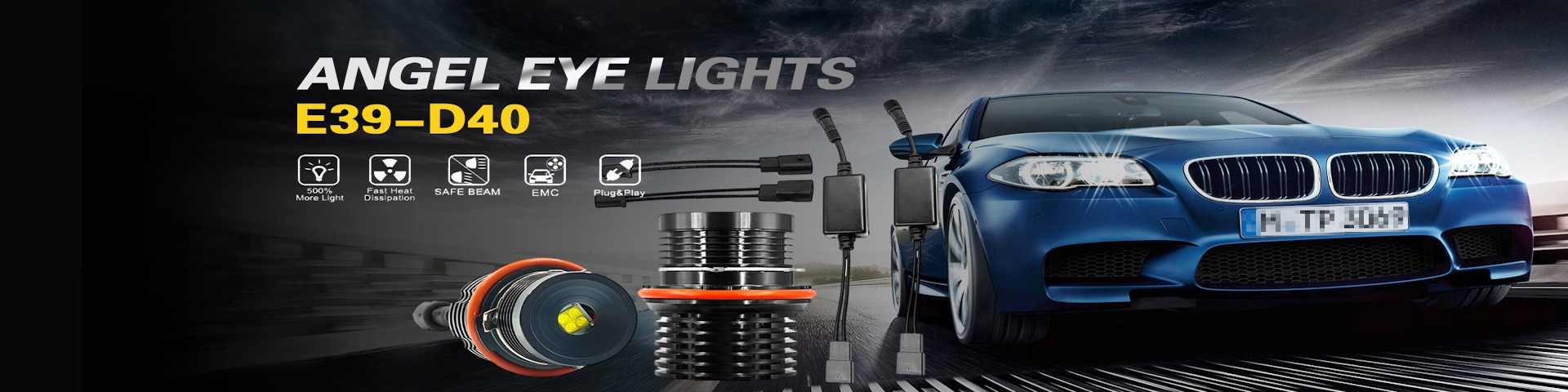
Статья рассказывает о современных технологиях охлаждения автомобильных фар, включая LED и ксеноновые системы. Обсуждаются преимущества эффективного охлаждения для безопасности, долговечности и производительности. Предлагаются практические советы по выбору и уходу.
В современном мире автомобильные технологии стремительно развиваются, и одной из ключевых областей, где инновации играют решающую роль, является освещение. Фары не только обеспечивают видимость в темное время суток, но и становятся важным элементом дизайна и безопасности. Однако с увеличением мощности и эффективности световых источников, таких как LED и ксеноновые лампы, возникает проблема перегрева. Перегрев фар может привести к снижению их срока службы, ухудшению качества света и даже к потенциальным опасностям на дороге. В этой статье мы подробно рассмотрим современные технологии охлаждения фар, их преимущества, принципы работы и как выбрать подходящее решение для вашего автомобиля. Мы также затронем практические аспекты, включая установку, обслуживание и будущие тенденции в этой области.
Автомобильные фары прошли долгий путь от простых галогенных ламп до сложных LED и ксеноновых систем. В то время как традиционные галогенные лампы производят значительное количество тепла, современные технологии, такие как LED (светодиоды) и HID (ксеноновые разрядные лампы), генерируют еще больше тепловой энергии из-за своей высокой эффективности и мощности. Перегрев фар является серьезной проблемой, поскольку он может вызвать несколько негативных последствий. Во-первых, высокие температуры ускоряют деградацию материалов, из которых изготовлены фары, таких как пластиковые линзы и отражатели, приводя к их помутнению, растрескиванию или даже расплавлению. Во-вторых, перегрев может снизить светоотдачу, делая фары менее эффективными в обеспечении освещения, что напрямую влияет на безопасность вождения, особенно в условиях плохой видимости. В-третьих, в экстремальных случаях перегрев может привести к короткому замыканию или возгоранию, создавая риски для всего автомобиля. Поэтому разработка эффективных систем охлаждения стала неотъемлемой частью современной автомобильной инженерии.
Исторически, фары охлаждались passively, через естественную конвекцию и радиацию тепла в окружающую среду. Однако с появлением более мощных источников света этого стало недостаточно. Активные системы охлаждения, такие как вентиляторы или жидкостное охлаждение, начали интегрироваться в дизайн фар для поддержания оптимальной температуры. Например, LED фары, которые популярны благодаря своей энергоэффективности и долговечности, часто оснащаются heat sinks (радиаторами) и fans (вентиляторами) для рассеивания тепла. Ксеноновые фары, известные своим ярким белым светом, также требуют специальных систем управления температурой из-за высокого энергопотребления. В этой статье мы углубимся в детали этих технологий, объясняя, как они работают и почему они важны для вашего авто.
Прежде чем обсуждать технологии охлаждения, важно понимать различные типы автомобильных фар, так как каждый из них имеет уникальные характеристики и требования к температурному режиму. Основные типы включают галогенные, ксеноновые (HID), LED и лазерные фары. Галогенные фары являются наиболее распространенными и доступными. Они работают на основе нити накаливания, которая нагревается до high temperatures, производя свет. Хотя они дешевы и просты в замене, их эффективность низка – большая часть энергии преобразуется в heat, а не в light, что делает их inherently hot. Однако из-за относительно низкой мощности по сравнению с современными аналогами, перегрев реже становится критической проблемой, и охлаждение often handled through passive means.
Ксеноновые фары, или HID (High-Intensity Discharge) фары, используют electrical discharge через газ ксенон для производства очень яркого света. Они значительно эффективнее галогенных, но generate substantial heat due to the high voltage and current involved. Типичная ксеноновая лампа может достигать temperatures above 800°C, что требует robust cooling systems to prevent damage to the housing and electronics. LED фары increasingly popular in modern vehicles due to their energy efficiency, long lifespan, and design flexibility. LEDs produce light through semiconductors, which are more efficient than incandescent bulbs but still generate heat, primarily at the junction where electricity is converted to light. Without proper cooling, LED chips can overheat, leading to reduced brightness and premature failure. Laser фары, the latest innovation, use laser diodes to produce extremely intense light with high efficiency, but they also require advanced cooling due to the concentrated heat output.
Each type of headlight has its own cooling challenges. For instance, halogen headlights might rely on air vents or heat-resistant materials, while HID and LED headlights often incorporate active cooling elements. Understanding these differences is crucial for appreciating the cooling technologies discussed later. In the next sections, we will explore how modern cooling systems address these challenges, ensuring that your headlights remain functional and safe throughout their lifespan.
Системы охлаждения автомобильных фар основаны на фундаментальных принципах heat transfer, включая conduction, convection, and radiation. The primary goal is to dissipate the heat generated by the light source away from critical components to maintain a safe operating temperature. Passive cooling methods involve using materials with high thermal conductivity, such as aluminum or copper, in the form of heat sinks. These heat sinks absorb heat from the light source and transfer it to the surrounding air through natural convection. For example, in LED headlights, heat sinks are often attached directly to the LED chips to draw heat away efficiently. The design of these heat sinks includes fins to increase surface area, enhancing heat dissipation.
Active cooling systems take this a step further by incorporating mechanical components to accelerate heat removal. The most common active cooling method is the use of fans. Small, efficient fans are integrated into the headlight assembly to blow air over heat sinks or directly onto hot components, promoting forced convection. This is particularly effective in confined spaces where natural airflow is limited. Another advanced technique is liquid cooling, where a coolant fluid circulates through tubes or channels near the heat source, absorbing heat and transferring it to a radiator where it is dissipated into the air. Liquid cooling is more complex and expensive but offers superior thermal management, especially for high-power applications like laser headlights or performance LED systems.
Additionally, thermal interface materials (TIMs), such as thermal pads or paste, are used to improve heat conduction between components. For instance, between an LED chip and a heat sink, a TIM ensures minimal thermal resistance, allowing heat to flow more efficiently. Smart cooling systems may also include temperature sensors and control units that adjust cooling intensity based on real-time conditions. For example, if a headlight is operating in a cold environment, the cooling might be reduced to prevent overcooling, which could affect performance. These principles are applied in various combinations depending on the headlight type and vehicle design, ensuring optimal thermal management without compromising on size, weight, or cost.
LED фары стали стандартом для многих современных автомобилей благодаря их превосходной эффективности и долговечности. Однако они generate heat primarily at the semiconductor junction, and if not properly managed, this heat can cause the LED to degrade quickly, reducing its brightness and lifespan. Therefore, advanced cooling technologies are essential for LED headlights. One of the most common methods is the use of heat sinks made from materials like aluminum or ceramic. These heat sinks are designed with large surface areas and fins to maximize heat dissipation through convection. In many cases, the heat sink is integrated directly into the headlight housing, allowing heat to be transferred to the external environment.
For more demanding applications, active cooling with fans is employed. Small DC fans are mounted inside the headlight assembly to blow air over the heat sinks, significantly enhancing cooling efficiency. These fans are often brushless for reliability and quiet operation. Some high-end LED headlights use liquid cooling systems, where a closed loop of coolant circulates through microchannels near the LEDs, absorbing heat and transferring it to a remote radiator. This method is highly effective but adds complexity and cost, making it more common in luxury or performance vehicles. Additionally, phase change materials (PCMs) are being explored for LED cooling. PCMs absorb heat by changing phase (e.g., from solid to liquid), providing a buffer against temperature spikes without the need for active components.
Another innovation is the use of thermoelectric coolers (TECs), which use the Peltier effect to actively pump heat away from critical areas. TECs are compact and can provide precise temperature control, but they consume additional power and generate heat themselves, requiring secondary cooling. In practice, most LED headlights use a combination of passive and active cooling tailored to the specific power output and design constraints. For example, a standard LED headlight might rely on a heat sink with natural convection, while a high-performance variant could include a fan or liquid cooling. Regular maintenance, such as ensuring that cooling vents are not blocked, is also important to prevent overheating. By adopting these technologies, LED headlights can maintain optimal performance and longevity, even under harsh conditions.
Ксеноновые фары, известные своим ярким и белым светом, generate intense heat due to the high-voltage arc discharge within the bulb. Temperatures can exceed 800°C at the bulb itself, and the surrounding components must be protected from this heat to avoid melting or failure. Cooling systems for HID headlights often focus on managing the heat from the bulb and the ballast (the electronic control unit that provides the high voltage). Passive cooling is commonly used through heat-resistant materials and design. The headlight housing is typically made from materials that can withstand high temperatures, such as specialized plastics or metals, and may include heat shields to protect adjacent parts.
Active cooling is less common in HID headlights compared to LEDs, but it is still employed in some cases. Fans might be used to cool the ballast, which can generate significant heat during operation. The ballast is often mounted in a well-ventilated area of the vehicle to allow natural airflow. In addition, some HID systems incorporate thermal cut-off switches that disable the headlight if temperatures become too high, preventing damage. Another aspect is the use of gas fillings or sealed environments within the bulb to manage heat, but this is more about internal design rather than external cooling.
For aftermarket HID conversions, cooling can be a challenge because original equipment manufacturer (OEM) headlights are not always designed to handle the additional heat. This can lead to overheating issues, such as melted lens or wiring problems. Therefore, it's crucial to choose HID kits that include adequate cooling solutions, such as upgraded heat sinks or integrated fans. Overall, while HID headlights inherently run hot, proper design and occasional active cooling measures ensure they operate safely and efficiently. As technology advances, newer HID systems are becoming more integrated with smart cooling controls, but they are gradually being replaced by LEDs in many applications due to better overall efficiency and cooling manageability.
При выборе и установке систем охлаждения для фар важно учитывать несколько факторов, чтобы обеспечить оптимальную производительность и безопасность. Во-первых, определите тип ваших фар – LED, ксеноновые или другие – так как each has different cooling requirements. For OEM headlights, the cooling system is usually integrated and designed by the manufacturer, so modifications might not be necessary unless you're upgrading to higher-output bulbs. However, for aftermarket installations or replacements, carefully select products that include built-in cooling features. For example, when buying LED conversion kits, look for those with large heat sinks and optional fans. Read reviews and specifications to ensure the cooling capacity matches the power output of the lights.
Установка должна выполняться carefully to avoid obstructing cooling pathways. Ensure that heat sinks have adequate space around them for air circulation, and if fans are included, position them to maximize airflow. Avoid mounting components in enclosed areas where heat can build up. For HID systems, make sure the ballast is mounted in a cool, dry location, preferably with some ventilation. It's also wise to check the vehicle's electrical system to handle any additional load from active cooling components like fans. If you're not confident, seek professional installation to prevent issues like short circuits or overheating.
Регулярное обслуживание is key to maintaining effective cooling. Keep the headlight lenses clean and free of debris that could block ventilation holes. Inspect cooling fans periodically for dust buildup or wear, and replace them if necessary. For liquid cooling systems, check for leaks or coolant degradation over time. Additionally, be mindful of driving conditions – extreme heat or prolonged use can strain cooling systems, so consider adding auxiliary cooling if you frequently drive in demanding environments. By following these tips, you can extend the life of your headlights and ensure they provide reliable illumination, enhancing safety on the road.
Будущее автомобильного освещения promises even more advanced cooling technologies as headlights become smarter and more powerful. One emerging trend is the integration of Internet of Things (IoT) and artificial intelligence (AI) into cooling systems. Smart headlights could use sensors to monitor temperature in real-time and adjust cooling dynamically. For instance, AI algorithms could predict heat buildup based on driving patterns and environmental conditions, optimizing fan speed or coolant flow to prevent overheating while minimizing energy consumption. This would not only improve efficiency but also enhance the longevity of components.
Another exciting development is the use of nanomaterials in heat dissipation. Nanomaterials, such as graphene or carbon nanotubes, offer exceptional thermal conductivity and could be used to create ultra-thin, highly efficient heat sinks that fit into compact headlight designs. These materials might enable passive cooling solutions that rival active systems in performance, reducing complexity and cost. Additionally, phase change materials (PCMs) are being refined to provide more effective thermal buffering, potentially eliminating the need for fans in some applications.
В области жидкостного охлаждения, innovations like microchannel cooling and two-phase flow systems are being explored for automotive use. These systems could provide even better heat transfer with smaller footprints, making them ideal for the next generation of laser or high-intensity LED headlights. Furthermore, as electric vehicles (EVs) become more prevalent, there might be integration between headlight cooling and the vehicle's overall thermal management system, sharing resources like coolant loops or fans to improve efficiency. Ultimately, the goal is to achieve headlights that are not only brighter and more efficient but also completely reliable through intelligent and sustainable cooling solutions. Stay tuned for these advancements, as they will redefine what is possible in automotive lighting.
В заключение, современные технологии охлаждения фар играют vital role in ensuring the performance, safety, and durability of automotive lighting systems. From passive heat sinks to active fans and liquid cooling, these innovations address the heat challenges posed by powerful light sources like LEDs and HIDs. By understanding the principles behind these technologies and making informed choices, you can enhance your driving experience and protect your investment. Remember to consider your specific needs, whether for daily commuting or performance driving, and always prioritize quality and proper installation. As technology continues to evolve, we can expect even more efficient and intelligent cooling solutions that will keep our headlights shining bright for years to come. Thank you for reading, and drive safely!
 1388xx888xx