
-
-
Телефоны для консультирования по оперативным вопросам
1388xx888xx
-
-
-
24Часовой консультационный телефон
1388xx888xx
-

1388xx888xx
1388xx888xx


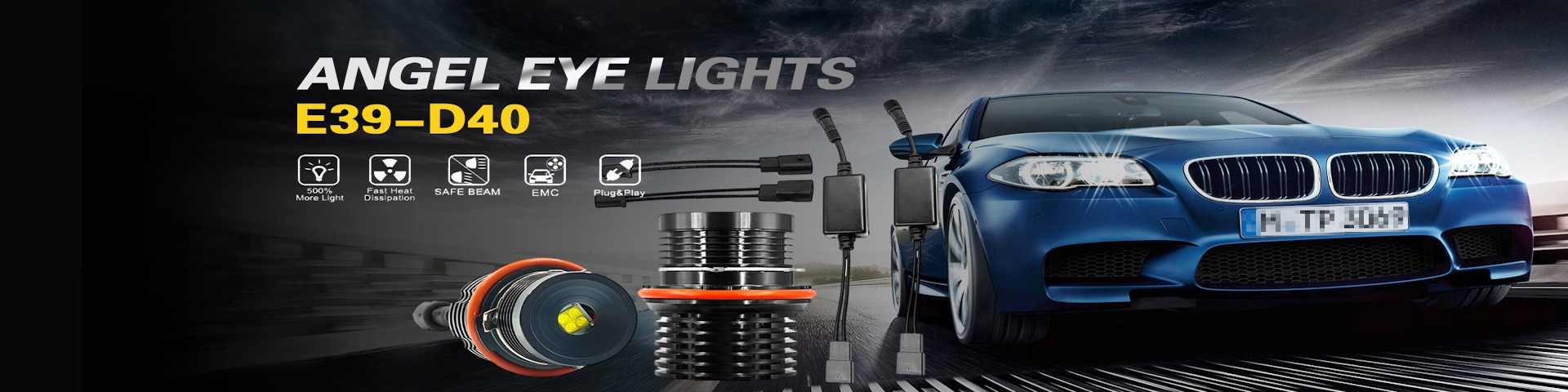
Эта статья раскрывает удивительную связь между мощностью автомобильных фар и экономией топлива. Мы исследуем, как выбор правильных фар может снизить энергопотребление и расход топлива, предложив практические советы для водителей. Узнайте о преимуществах LED, галогенных и ксеноновых фар, их влиянии на бюджет и экологию, а также о будущих инновациях в автоиндустрии для более эффективного вождения.
В современном мире, где цены на топливо постоянно растут, а экологические проблемы становятся все более актуальными, каждый водитель ищет способы снизить расходы и минимизировать воздействие на окружающую среду. Одним из малоизученных, но чрезвычайно эффективных методов является оптимизация мощности автомобильных фар. Да, вы не ослышались: выбор фар с низкой мощностью может стать ключом к значительной экономии топлива. В этой статье мы глубоко погрузимся в эту тему, раскроем научные основы, практические советы и будущие тенденции, чтобы помочь вам сделать informed decisions для вашего автомобиля.
Автомобильные фары – это не просто осветительные приборы; они являются integral part of the vehicle's electrical system. Каждый раз, когда вы включаете фары, они потребляют энергию от генератора, который, в свою очередь, получает power от двигателя. Это означает, что чем больше энергии требуется для фар, тем тяжелее работает двигатель, и тем больше топлива он consumes. Исследования показывают, что electrical loads can account for up to 10% of a vehicle's fuel consumption в городских условиях. Таким образом, снижение мощности фар может directly lead to fuel savings.
Но прежде чем мы углубимся в детали, давайте определим, что мы подразумеваем под "низкой мощностью". Это не означает компромисс с безопасностью; вместо этого, это о выборе efficient technologies, таких как LED или ксеноновые фары, которые provide bright illumination with lower energy demands compared to traditional halogen bulbs. В следующих разделах мы explore how this works, backed by data and real-world examples.
Чтобы понять связь между фарами и топливом, необходимо рассмотреть basic principles of automotive engineering. Двигатель внутреннего сгорания powers the vehicle and also drives the alternator, which generates electricity for the electrical systems, including lights, audio, and other accessories. The alternator imposes a load on the engine; чем выше electrical load, тем больше engine has to work, increasing fuel consumption.
Мощность фар измеряется в ваттах (W). Traditional halogen bulbs typically consume 55-100W per bulb, meaning a pair of headlights can draw 110-200W. In contrast, LED headlights consume only 20-30W per bulb, while providing similar or better illumination. This reduction in power draw directly reduces the load on the alternator, leading to lower fuel usage. Studies by organizations like the Society of Automotive Engineers (SAE) have shown that a 100W reduction in electrical load can improve fuel economy by up to 1-2% in average driving conditions.
Let's put this into perspective with a simple calculation. Assume a car with halogen headlights (100W total draw) is driven 15,000 km per year at an average fuel consumption of 8L/100km. Switching to LED headlights (40W total draw) reduces the electrical load by 60W. Based on empirical data, this could save approximately 0.5% fuel, which translates to about 6 liters of fuel per year. At current fuel prices, that's a modest but tangible saving, and it adds up over time, especially for fleet vehicles or high-mileage drivers.
Moreover, this effect is more pronounced in stop-and-go city driving, where electrical loads are constantly changing, and the engine is less efficient. In highway driving, the impact might be smaller due to higher overall efficiency, but it still contributes. Additionally, lower power consumption means less heat generation, which can reduce the load on the cooling system, further indirectly saving fuel.
Not all headlights are created equal. There are three main types: halogen, LED, and xenon (HID). Let's break down their characteristics and how they affect fuel economy.
Halogen bulbs are the most common and inexpensive option. They work by passing electricity through a tungsten filament in a halogen gas-filled bulb, producing light. However, they are highly inefficient: only about 5-10% of the energy is converted to light, with the rest wasted as heat. A typical halogen headlight consumes 55W per bulb, so a pair uses 110W. This high consumption directly increases fuel usage, as discussed earlier.
Despite their inefficiency, halogens are cheap to replace and widely available. But for those looking to save fuel, they are not the best choice. Upgrading to more efficient options can pay off in the long run.
LED (Light Emitting Diode) headlights are becoming increasingly popular due to their high efficiency and long lifespan. LEDs convert electricity to light with much higher efficiency—up to 30-40%—meaning they produce more light per watt. A typical LED headlight consumes only 20-30W per bulb, so a pair uses 40-60W, which is less than half of halogens.
This lower power draw translates directly to fuel savings. Additionally, LEDs have instant-on capability, better color temperature (closer to daylight), and can be designed for better beam patterns, improving safety. The initial cost is higher than halogens, but the energy savings and durability often make them cost-effective over time. Many modern vehicles come equipped with LEDs as standard, reflecting the industry's shift towards efficiency.
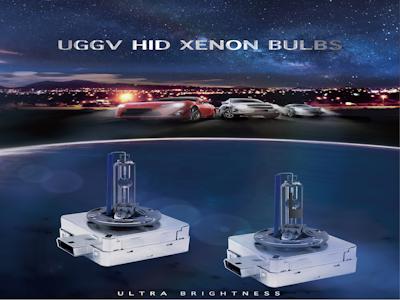
Xenon or HID (High-Intensity Discharge) headlights use an electric arc between electrodes in a xenon gas-filled bulb to produce light. They are more efficient than halogens but less so than LEDs. A typical HID headlight consumes 35-40W per bulb, so a pair uses 70-80W. They provide very bright, white light but require a ballast to operate, which can add complexity.
HID lights offer a balance between performance and efficiency. They consume less power than halogens but more than LEDs. However, they have been largely superseded by LEDs in new vehicles due to the latter's superior efficiency and lower cost in mass production.
In summary, switching from halogen to LED or HID can significantly reduce power consumption. For example, replacing halogens (110W) with LEDs (40W) saves 70W, which, as calculated, can improve fuel economy. This is a simple upgrade that many car owners can consider.
Now that we understand the theory, let's talk about practical steps you can take to leverage this for fuel savings. Here are some actionable tips:
These tips are easy to implement and can lead to cumulative savings. For instance, a study by the U.S. Department of Energy found that optimizing electrical loads, including lighting, can improve fuel economy by 1-3% in conventional vehicles.
Beyond personal savings, reducing power consumption from headlights has broader implications for your wallet and the planet.
Бюджетные выгоды: As calculated earlier, switching to efficient headlights can save fuel costs. For a driver covering 15,000 km/year with a fuel price of 50 rubles/liter, saving 6 liters per year means 300 rubles saved. Over 5 years, that's 1,500 rubles, which may cover the cost of LED upgrades. For commercial fleets, the savings multiply quickly.
Экологические benefits: Lower fuel consumption means reduced greenhouse gas emissions. Every liter of fuel saved prevents approximately 2.3 kg of CO2 emissions. Thus, saving 6 liters per year reduces CO2 by about 14 kg annually. While this seems small per vehicle, scaled across millions of cars, it can have a significant impact on air quality and climate change.
Moreover, efficient lighting reduces the demand on the vehicle's electrical system, potentially extending the life of the battery and alternator, leading to fewer replacements and less waste.
The automotive industry is continuously evolving towards greater efficiency. Future trends in headlight technology include:
These innovations will make low-power headlights even more effective in saving fuel and reducing environmental impact.
В заключение, мощность автомобильных фар играет surprisingly significant role в расходе топлива. Выбирая efficient options, такие как LED фары, вы можете снизить energy consumption, save money на топливе, и contribute к более green planet. Это simple yet effective strategy, которая сочетает safety с economy. Не overlook this hidden secret—upgrade your headlights today и начните экономить!
Remember, всегда consult с профессионалом перед modifications, и prioritize safety above all. Счастливого и экономичного вождения!
For more information, check out resources from automotive associations or conduct your own research to find the best options for your vehicle. The road to savings starts with a single bulb change!
 1388xx888xx