
-
-
Телефоны для консультирования по оперативным вопросам
1388xx888xx
-
-
-
24Часовой консультационный телефон
1388xx888xx
-

1388xx888xx
1388xx888xx

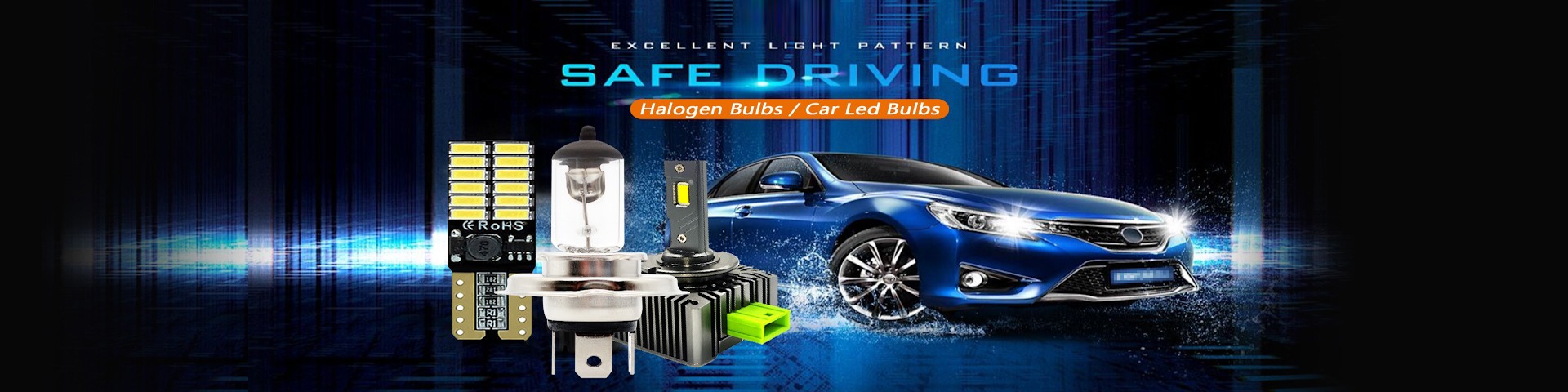
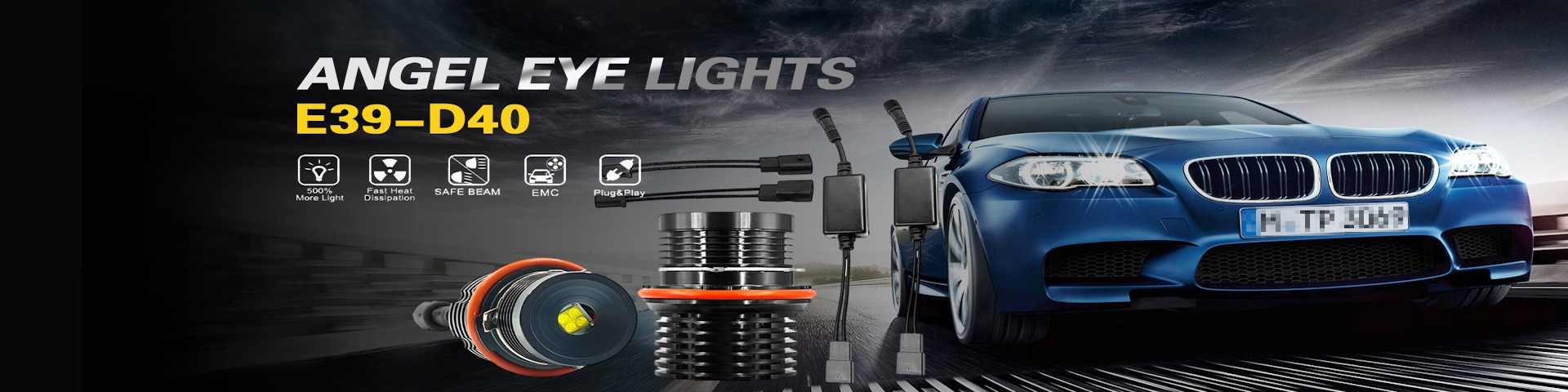
Эта статья исследует, почему автомобильные фары превратились из утилитарного элемента в ключевой компонент стиля и дизайна автомобилей, охватывая историю, технологии, психологию потребителей и маркетинговые стратегии.
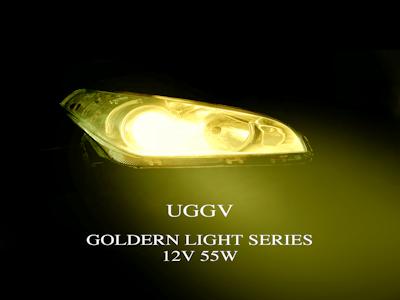
В мире автомобильного дизайна фары давно перестали быть просто функциональным элементом, обеспечивающим освещение дороги. Сегодня они играют ключевую роль в формировании стиля и идентичности автомобиля, становясь визитной карточкой брендов и объектом восхищения для потребителей. В этой статье мы глубоко исследуем, как и почему фары превратились в главный элемент стиля, охватывая исторические, технологические, психологические и маркетинговые аспекты.
История автомобильных фар началась в конце XIX века, когда первые автомобили оснащались простыми керосиновыми или ацетиленовыми лампами. Эти устройства были чисто функциональными, предназначенными исключительно для освещения пути в темное время суток. Дизайн почти не учитывался, так как приоритетом была безопасность и практичность.
В 1920-х годах с появлением электрических фар произошел первый скачок в их развитии. Фары стали более надежными и эффективными, но их форма оставалась простой и округлой, часто интегрированной в кузов автомобиля без особых изысков. Однако уже в этот период производители начали экспериментировать с размещением и формой фар, чтобы придать автомобилям более агрессивный или элегантный вид.
1950-е и 1960-е годы ознаменовались бумом автомобильного дизайна, особенно в США, где фары стали элементом «крылатых» и хромированных стилей. Популярными стали двойные фары, которые добавляли автомобилям спортивный и роскошный вид. Например, модели Chevrolet Impala или Ford Thunderbird использовали фары как часть своего харизматичного образа.
1970-е и 1980-е годы принесли новые материалы и технологии, такие как пластиковые корпуса и галогенные лампы, которые позволили дизайнерам экспериментировать с формами. Фары стали более угловатыми и интегрированными, отражая общие тенденции в дизайне автомобилей. Это десятилетие также увидело появление прямоугольных фар, которые ассоциировались с современностью и технологичностью.
1990-е годы стали переломным моментом с внедрением ксеноновых (HID) фар. Они не только обеспечивали лучшее освещение, но и предлагали уникальный голубоватый оттенок, который сразу выделял автомобили на дороге. Это был первый шаг к тому, чтобы фары стали визуальным маркером premium-брендов.
С 2000-х годов LED-технология революционизировала автомобильные фары. LED-фары позволили создавать тонкие, сложные формы и динамические световые узоры, которые ранее были невозможны. Производители, такие как Audi с их знаменитыми «светодиодными дневными ходовыми огнями», превратили фары в элемент брендинга, узнаваемый с первого взгляда.
Сегодня, с появлением матричных LED, лазерных фар и адаптивного освещения, фары не только функциональны, но и способны «общаться» с водителем и окружающей средой, further усиливая их стилевую роль.
Технологический прогресс является одним из главных двигателей превращения фар в стилевой элемент. LED-освещение, впервые массово примененное в автомобильной индустрии в середине 2000-х, кардинально изменило возможности дизайна. В отличие от традиционных ламп накаливания или ксеноновых фар, LED-элементы компактны, энергоэффективны и позволяют создавать практически любые формы.
Это привело к появлению тонких и острых контуров фар, которые интегрируются в общий дизайн автомобиля более seamlessly. Например, у Mercedes-Benz фары часто сливаются с решеткой радиатора, создавая единый агрессивный фронтальный вид. У BMW «ангельские глаза» — кольцевые дневные ходовые огни — стали iconic элементом, который копируют другие бренды.
Матричные LED-фары, представленные Audi и другими, добавляют интерактивность. Они могут адаптировать световой пучок в реальном времени, избегая ослепления других водителей, и проецировать информацию на дорогу, такую как стрелки навигации или предупреждения. Это не только улучшает безопасность, но и создает «wow-effect» для потребителей, усиливая восприятие автомобиля как высокотехнологичного и стильного продукта.
Лазерные фары, хотя и менее распространенные, предлагают еще более продвинутые возможности, такие как удвоенная дальность освещения по сравнению с LED. Их дизайн часто включает уникальные blue accents или intricate patterns, которые подчеркивают эксклюзивность моделей, например, у BMW i8 или Audi R8.
Умные фары с функциями like automatic high beam control или projection of symbols на дорогу также способствуют стилевому аспекту. Они делают автомобиль «умным» и современным, что appeals to tech-savvy потребителям, who value innovation and aesthetics equally.
Кроме того, customization стала возможной благодаря технологиям. Владельцы могут выбирать цвет или pattern фар через mobile apps в некоторых premium моделях, further personalizing их vehicle и делая фары выражением индивидуальности.
Эти инновации не только enhance functionality but also provide designers with a blank canvas to create striking visual statements, turning headlights into a focal point of automotive art.
Человеческий мозг wired to respond to visual cues, and headlights are one of the first elements we notice on a car. Their design can evoke emotions and associations that shape our overall perception of the vehicle. For instance, sharp, angular headlights often convey aggression, sportiness, and modernity, while rounded or softer designs suggest elegance, sophistication, and approachability.
This psychological impact is rooted in evolutionary biology. In nature, eyes are key to assessing intent and emotion in other beings. Similarly, car headlights act as «eyes» of the vehicle, giving it a «face» that can appear friendly, menacing, or luxurious. Studies in automotive design show that consumers often anthropomorphize cars, attributing personalities based on front-end features like headlights and grilles.
For example, the slanted headlights of a Lamborghini make it look predatory and fast, appealing to those seeking excitement and status. In contrast, the gentle curves of a Volvo's headlights communicate safety and reliability, aligning with the brand's values. This subconscious reading influences purchasing decisions, as buyers choose cars that reflect their self-image or aspirations.
Color and light intensity also play roles. The cool white or blue hue of LED and xenon headlights is associated with technology and premium quality, while warmer tones from halogen lights might feel outdated. Dynamic light sequences, such as the welcoming animation in some cars, create an emotional connection, making the vehicle feel alive and responsive.
Moreover, in the era of social media, visually striking headlights are highly shareable, enhancing brand visibility. A unique headlight design can become a viral topic, further cementing its role as a style element. Thus, by tapping into deep-seated psychological triggers, automakers use headlights to craft narratives that resonate with consumers on an emotional level.
In a crowded automotive market, branding is crucial for differentiation, and headlights have become a powerful tool for this. Major manufacturers develop signature headlight designs that make their vehicles instantly recognizable, even from a distance. This not only reinforces brand identity but also builds loyalty among customers.
Audi is a pioneer in this area with its LED daytime running lights, often referred to as «Audi lights.» These distinctive patterns, such as the eyelash-like design, have become synonymous with the brand's emphasis on technology and luxury. Similarly, BMW's «halo» rings and Mercedes-Benz's multibeam LED headlights serve as visual trademarks that distinguish their models from competitors.
This strategy extends beyond luxury brands. For instance, Kia's «tiger nose» grille is complemented by unique headlights that enhance its sporty image. By consistently applying these design elements across model lines, automakers create a cohesive family look that appeals to consumers seeking brand consistency.
Headlights also play a role in brand storytelling. For electric vehicles (EVs), designers often use blue accents or futuristic light patterns to emphasize innovation and sustainability. Tesla's minimalist headlight design, for example, aligns with its sleek, high-tech ethos. This helps position the brand as a leader in the EV revolution.
Furthermore, in marketing campaigns, headlights are frequently highlighted in advertisements and at auto shows to showcase a car's character. A dramatic reveal of a new model often focuses on the front end, where the headlights make the first impression. This emphasis educates consumers to associate specific light designs with certain brands, making headlights a key element in brand recall.
In summary, through intentional design choices, automakers transform headlights into brand ambassadors that communicate values, quality, and innovation, driving emotional engagement and sales.
Modern car buyers are more informed and design-conscious than ever, and headlights significantly influence their purchasing decisions. In surveys, consumers often cite exterior styling as a top factor, with headlights being a critical component of that appeal. The reasons are multifaceted, ranging from aesthetics to perceived technology and safety.
Firstly, headlights contribute to the overall aesthetic appeal of a car. A well-designed front end with striking headlights can make a vehicle stand out in a showroom or on the road, triggering desire and aspiration. For many, a car is not just a mode of transportation but a statement of personal style, and unique headlights offer a way to express individuality.
Secondly, advanced headlight technologies are associated with higher safety and convenience. Features like adaptive headlights, which turn with the steering wheel, or automatic high beams are highly valued by consumers. When buyers see sophisticated headlights, they infer that the car is equipped with the latest safety innovations, making it a smarter choice for their family or daily use.
Thirdly, in the resale market, cars with distinctive and modern headlight designs tend to retain value better. This practicality adds to the appeal, as investors and savvy buyers consider long-term benefits. Additionally, in regions with strict regulations on lighting, having compliant and advanced headlights can be a deciding factor.
Social influence also plays a role. Peer recommendations and online reviews often highlight headlight design as a pro or con. For instance, enthusiasts on forums might praise the headlights of a new model, swaying potential buyers. Moreover, in test drives, the experience of using intelligent headlights can leave a lasting positive impression.
Ultimately, by catering to both emotional and rational needs, headlights have become a key consideration in the consumer journey, driving demand for models that excel in this area.
The evolution of automotive headlights is far from over, with several exciting trends on the horizon that will further cement their role as a style element. One major direction is the integration of digital displays and projection technology. We are already seeing concepts where headlights can project images, messages, or even augmented reality navigation onto the road, turning them into interactive interfaces.
Another trend is the use of sustainable materials and energy-efficient designs. As the industry moves towards electrification, headlights will likely incorporate solar elements or be made from recyclable materials, aligning with eco-friendly values. This could influence their aesthetic, perhaps with greener accents or minimalist designs that emphasize sustainability.
Connectivity will also play a bigger role. Headlights might communicate with other vehicles or infrastructure to enhance safety, using light patterns to signal intentions or warnings. This V2X (vehicle-to-everything) technology could lead to new design languages where headlights are not just for illumination but for communication.
Personalization will become more advanced, with owners able to change the color, pattern, or animation of their headlights via apps, much like customizing smartphone themes. This will make headlights an even more personal expression of style.
Lastly, as autonomous vehicles become prevalent, the need for traditional headlights might diminish, but their role in style and branding will persist. Designers might focus on making them part of the car's «face» for human interaction, even if the primary function changes.
In conclusion, the future of automotive headlights is bright, with innovations that will continue to blend form and function, ensuring they remain at the forefront of automotive design and consumer desire.
В итоге, автомобильные фары прошли долгий путь от простых осветительных приборов до центральных элементов стиля, отражающих технологические достижения, брендовую идентичность и потребительские предпочтения. Их способность evoke эмоции, differentiate продукты, и adapt к будущим trends делает их indispensable в современном automotive мире. Whether through LED innovations or psychological appeal, headlights will continue to shine as a key aspect of what makes a car desirable.
 1388xx888xx