
-
-
Телефоны для консультирования по оперативным вопросам
1388xx888xx
-
-
-
24Часовой консультационный телефон
1388xx888xx
-

1388xx888xx
1388xx888xx


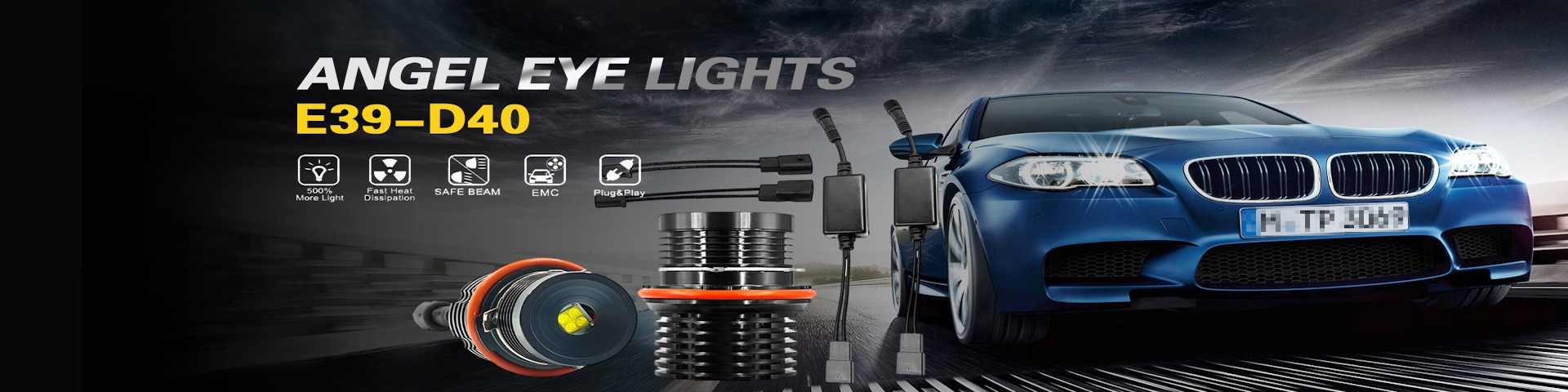
Эта статья подробно исследует, почему размеры фар играют ключевую роль в безопасности, эффективности и эстетике автомобиля. Узнайте, как правильные размеры улучшают видимость, снижают аварийность и влияют на дизайн.
В мире автомобилестроения каждая деталь имеет значение, и фары — не исключение. Они не просто освещают дорогу; они определяют безопасность, эффективность и даже стиль вашего автомобиля. Но почему размеры фар так важны? В этой статье мы глубоко погрузимся в эту тему, исследуя все аспекты — от технических до эстетических. Вы узнаете, как правильные размеры могут спасти жизни, улучшить вождение и сделать ваш автомобиль настоящим произведением искусства. Давайте начнем с основ и постепенно раскроем все секреты идеального света.
Автомобильные фары — это глаза вашего автомобиля. Они позволяют вам видеть дорогу в темноте, в дождь или в туман, и они же предупреждают других водителей о вашем присутствии. Но мало кто задумывается о том, что размеры этих фар играют решающую роль. Представьте себе: если фары слишком малы, они могут не обеспечивать достаточное освещение, увеличивая риск аварий. Если слишком велики, они могут создавать блики для других водителей, нарушая их видимость. Кроме того, размеры влияют на аэродинамику автомобиля, потребление энергии и даже на его внешний вид. В этой статье мы рассмотрим, как размеры фар связаны с безопасностью, эффективностью, дизайном и будущими технологиями. Мы также предложим практические советы по выбору и обслуживанию фар. К концу чтения вы поймете, почему идеальный свет начинается с правильных размеров.
История автомобильных фар насчитывает более века. В начале XX века фары были простыми лампами накаливания, установленными в небольшие корпуса. Их размеры определялись в основном доступными технологиями — они были компактными, но малоэффективными. С развитием автомобилестроения, в 1920-х годах, появились герметичные фары, которые стали крупнее для улучшения светового потока. К 1950-м годам, с внедрением галогенных ламп, размеры фар увеличились еще больше, чтобы accommodate более мощные источники света. Это было первым шагом к пониманию важности размеров: большие фары позволяли лучше распределять свет, снижая слепящий эффект.
В 1970-х годах, с ростом concerns о безопасности, производители начали экспериментировать с размерами для улучшения аэродинамики и снижения расхода топлива. Фары стали более обтекаемыми, но их функциональность не страдала. К 1990-м годам, с появлением ксеноновых и later LED технологий, размеры снова изменились. LED фары, например, могут быть более компактными, но при этом обеспечивать яркий свет, благодаря чему дизайнеры получили больше свободы. Однако, даже с технологическими advances, размеры оставались критичными — например, большие фары с LED матрицами позволяют adaptive освещение, которое подстраивается под дорожные условия.
Сегодня, в эпоху autonomous vehicles, размеры фар продолжают эволюционировать. Они интегрируются с датчиками и камерами, требуя precise размеров для optimal работы. История показывает, что размеры фар всегда адаптировались к технологиям и потребностям безопасности, подчеркивая их непреходящую важность.
Размеры фар напрямую влияют на их способность генерировать и распределять свет. Основной принцип заключается в том, что larger фары могут accommodate larger отражатели или линзы, которые фокусируют свет более effectively. Например, reflector-based фары rely на parabolic поверхностях to direct light; bigger размеры allow for more precise shaping, reducing scatter и improving range. Это means, что при одинаковой мощности лампы, larger фары will produce a brighter и more focused beam, essential for high-speed driving или poor weather conditions.
Кроме того, размеры affect heat dissipation. Larger фары have more surface area, which helps dissipate heat generated by high-intensity lamps like LEDs или HIDs, prolonging their lifespan. Напротив, smaller фары may overheat, leading to reduced efficiency или failure. Также, размеры influence energy consumption. Modern фары with adaptive systems, such as matrix LED, require specific dimensions to house multiple light modules; improper sizes can lead to inefficiencies, increasing power draw from the vehicle's electrical system.
С точки зрения оптики, размеры determine the angle of illumination. Wider фары provide broader coverage, useful for urban driving with many intersections, while taller фары offer better long-range visibility on highways. Engineers use computer simulations to optimize sizes for maximum efficiency, ensuring that every millimeter contributes to perfect light output. Таким образом, technical aspects highlight that sizes are not arbitrary but are calculated to balance performance, durability, and energy use.
Безопасность — perhaps the most critical reason why фары sizes matter. According to studies, inadequate lighting contributes to up to 50% of night-time accidents. Larger фары generally provide better illumination, reducing the risk of collisions with pedestrians, animals, or obstacles. For instance, in low-light conditions, bigger фары can cast light farther ahead, giving drivers more time to react. Они also improve visibility in adverse weather like fog or rain, where smaller фары might be overwhelmed by reflection или scatter.
Moreover, sizes affect the anti-dazzle features. Modern фары often include systems like automatic beam leveling или adaptive driving beams, which require specific dimensions to function properly. If фары are too small, these systems may not have enough space to adjust, causing glare for oncoming traffic and increasing accident risks. Conversely, oversized фары without proper design can create excessive glare. Regulations, such as those from ECE или SAE, specify minimum and maximum sizes to ensure safety standards are met.
Additionally, sizes play a role in pedestrian safety. Larger фары make vehicles more visible to others, reducing the chance of being overlooked. In emergency situations, well-sized фары can be the difference between a near-miss and a tragedy. Therefore, investing in correctly sized фары is not just about compliance; it's about saving lives.
Beyond functionality, фары sizes are a key element of automotive design. They contribute to the vehicle's character and brand identity. For example, aggressive sports cars often feature large, angular фары to convey power and speed, while luxury sedans might have smaller, sleek фары for an elegant look. Designers use sizes to create visual balance; too large фары can make a car look bulky, while too small might appear cheap или incomplete.
Historical trends show how sizes evolve with style. In the 1960s, pop-up фары were popular for their compact size when retracted, but they required larger mechanisms. Today, with LED technology, designers can experiment with thin, wide фары that integrate seamlessly into the body, enhancing aerodynamics and aesthetics. Sizes also affect the overall proportions of the car; for instance, SUVs often have larger фары to match their robust stature, whereas compact cars opt for smaller ones to emphasize agility.
Furthermore, customizations and aftermarket options rely on sizes. Enthusiasts might upgrade to larger фары for a more imposing look, but this must be done carefully to avoid legal issues или reduced performance. In summary, фары sizes are a blend of art and science, shaping not only how a car performs but also how it is perceived.
The economic implications of фары sizes are significant for both manufacturers and consumers. Larger фары generally cost more to produce due to increased material use, such as glass или plastic for lenses, and more complex assembly processes. They may also require additional components like larger housings или cooling systems, adding to the overall vehicle cost. However, advancements in materials, like polycarbonate lenses, have reduced weight and cost, making larger sizes more feasible.
From a consumer perspective, maintenance costs can vary with sizes. Larger фары might be easier to access for bulb replacement или repairs, reducing labor costs. But if they are integrated with advanced systems (e.g., adaptive lighting), repairs could be more expensive due to specialized parts. Insurance premiums might also be affected; vehicles with better lighting (often from larger фары) could have lower rates due to reduced accident risks.
In the aftermarket, sizes influence availability and price of replacements. Standard sizes are cheaper and easier to find, while custom sizes might require ordering from dealers at a premium. Overall, while larger фары can entail higher upfront costs, they may offer long-term savings through improved safety and durability.
Different types of фары have distinct size requirements based on their technology. Halogen фары, the most common and affordable, tend to be larger because they rely on reflectors to amplify light; typical sizes range from 150mm to 200mm in diameter for headlights. Xenon (HID) фары are more compact due to their intense light output from smaller arcs, often around 100-150mm, but they require ballasts that add bulk. LED фары are the most versatile; they can be very small (e.g., 50mm for DRLs) or large for main beams, thanks to their efficiency and modular design.
For example, matrix LED systems use arrays of small LEDs that can be arranged in various sizes to create adaptive patterns. This allows for фары that are both compact and powerful. Sizes also affect beam patterns: larger фары with LEDs provide sharper cut-offs, reducing glare, while smaller ones might have wider spreads. Comparison shows that technology drives size optimization, but the end goal is always to balance size with performance. Consumers should choose based on their needs — e.g., larger фары for off-road use, smaller for city driving.
The future of фары sizes is closely tied to autonomous vehicle technology. As cars become more self-driving, фары will evolve from mere illuminators to communication tools. For instance, larger фары might incorporate displays to signal intentions to pedestrians, such as projecting crosswalk patterns. Sizes will need to be optimized for integrating sensors like LiDAR или cameras, requiring compact yet efficient designs.
Innovations like laser фары or OLED technology promise even smaller sizes with superior performance. Laser фары, for example, can produce intense light from tiny sources, allowing for minimalist designs. However, regulations and safety will continue to dictate minimum sizes to ensure visibility. Additionally, energy efficiency will drive trends towards smaller, smarter фары that consume less power — crucial for electric vehicles with limited battery capacity.
In summary, the future will see фары sizes becoming more adaptive and multifunctional, blending seamlessly with vehicle aesthetics while enhancing safety and efficiency.
Choosing the right фары size involves several factors. First, consult your vehicle's manual or a professional to determine the OEM specifications — deviating too much can affect performance and legality. Consider your driving conditions: if you often drive on dark roads, opt for larger фары with better range. For urban use, smaller sizes might suffice.
Check local regulations; many regions have laws on minimum and maximum sizes to prevent glare. When upgrading, look for certified products that meet safety standards. Also, think about maintenance — larger фары might be easier to clean and repair. Test different sizes if possible, or read reviews to see how they perform in real-world scenarios. Remember, the goal is to find a balance between size, technology, and cost that suits your needs.
In conclusion, the sizes of фары are far from trivial; they are a critical factor in automotive design, safety, and efficiency. From technical performance to aesthetic appeal, the right dimensions ensure optimal lighting, reduce accidents, and enhance the driving experience. As technology advances, sizes will continue to evolve, but the principle remains: bigger is not always better, but well-sized фары are essential. Invest in quality фары with appropriate sizes — it's an investment in your safety and comfort on the road.
We hope this article has illuminated the importance of фары sizes. Share your thoughts or experiences in the comments below, and drive safely!
 1388xx888xx