
-
-
Телефоны для консультирования по оперативным вопросам
1388xx888xx
-
-
-
24Часовой консультационный телефон
1388xx888xx
-

1388xx888xx
1388xx888xx


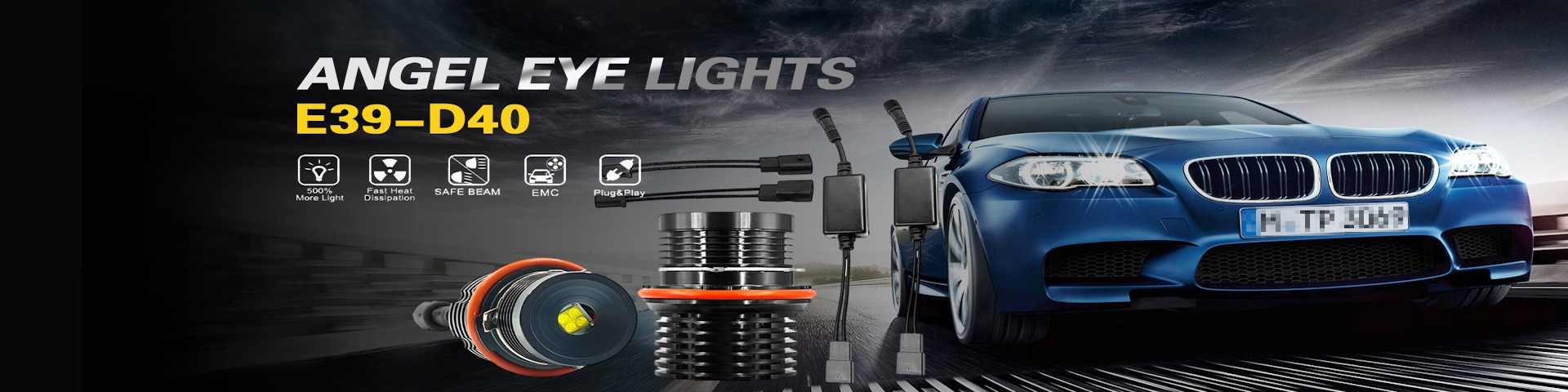
Эта статья подробно исследует преимущества светодиодных фар для автомобилей, включая улучшенную видимость, энергоэффективность, долговечность и стиль. Узнайте, почему LED-фары стали незаменимым элементом для современного водителя.
В современном мире автомобильной индустрии технологии не стоят на месте. Один из ключевых элементов, который претерпел значительные изменения за последние десятилетия, — это фары. Если раньше стандартом были галогенные лампы, а затем ксеноновые, то сегодня светодиодные фары (LED) стали настоящим прорывом. Они не только улучшают эстетику автомобиля, но и кардинально повышают безопасность и комфорт вождения. В этой статье мы детально разберем, почему светодиодные фары стали обязательным элементом для любого автомобиля, и как они могут преобразить ваш опыт за рулем.
Чтобы понять важность светодиодных фар, полезно оглянуться назад. Первые автомобильные фары появились в конце XIX века и использовали ацетиленовые или масляные лампы. Они давали слабый свет и часто были ненадежными. В 1910-х годах начали применяться электрические лампы накаливания, которые стали стандартом на многие десятилетия. Галогенные лампы, появившиеся в 1960-х, предложили улучшенную яркость и срок службы, но все еще имели ограничения.
В 1990-х годах ксеноновые фары (HID) совершили небольшую революцию, обеспечивая более яркий и белый свет. Однако они были дорогими, требовали времени для разогрева и могли ослеплять других водителей. Светодиодные технологии, изначально использовавшиеся в электронике, начали проникать в автомобильную отрасль в начале 2000-х. Первые серийные автомобили с LED-фарами, такие как Lexus LS 600h, появились в 2006 году, и с тех пор их популярность только растет.
Сегодня светодиодные фары — это не просто тренд, а necessity для многих автопроизводителей. Они интегрируются с системами помощи водителю, адаптивным освещением и даже с беспилотными технологиями. Это показывает, насколько далеко мы продвинулись от примитивных огней прошлого.
Светодиодные фары предлагают множество преимуществ по сравнению с галогенными и ксеноновыми аналогами. Во-первых, их энергоэффективность впечатляет. LED-лампы потребляют значительно меньше энергии — обычно на 80-90% меньше, чем галогенные. Это не только снижает нагрузку на генератор автомобиля, но и позволяет экономить топливо, особенно в гибридных и электрических моделях, где каждая ватт энергии на счету.
Во-вторых, срок службы светодиодов намного дольше. В то время как галогенные лампы служат около 500-1000 часов, а ксеноновые — до 2000 часов, LED-фары могут работать 30,000 часов и более. Это означает, что вы, вероятно, никогда не будете их менять в течение всего срока владения автомобилем, что экономит время и деньги на обслуживании.
В-третьих, качество света. Светодиоды производят более яркий и четкий свет, который ближе к естественному дневному освещению. Это улучшает видимость на дороге, особенно в ночное время или в плохих погодных условиях, таких как дождь или туман. Более того, LED-фары можно легко настроить для создания адаптивных beam patterns, которые автоматически регулируют освещение в зависимости от скорости, поворотов и наличия других транспортных средств.
Наконец, безопасность. Улучшенная видимость напрямую снижает риск аварий. Исследования показывают, что автомобили с LED-фарами имеют на 5-10% меньше ночных аварий по сравнению с теми, у кого традиционные фары. Кроме того, мгновенное включение светодиодов (они не требуют времени на разогрев, как ксеноновые) делает их идеальными для использования в стоп-сигналах и указателях поворота, предупреждая других водителей быстрее.
Светодиодные фары основаны на полупроводниковых технологиях. В отличие от ламп накаливания, которые используют нить накала, светодиоды генерируют light through electroluminescence — процесс, при котором электрический ток проходит через semiconductor material, вызывая emission photons. Это делает их extremely efficient и durable.
Современные LED-фары often incorporate дополнительные features, such as: adaptive front-lighting systems (AFS), which adjust the beam direction based on steering input; matrix LED technology, where individual LEDs can be turned on or off to avoid glaring other drivers; and integration with cameras and sensors for automatic high-beam control. These advancements make driving not just safer, but also more comfortable.
For example, in Audi's Matrix LED headlights, up to 64 LEDs can be controlled independently to create precise light patterns. This allows the car to always have high beams on without blinding oncoming traffic, as the system detects other vehicles and dims specific sections of the light. Similarly, systems like BMW's Adaptive LED Headlights use navigation data to anticipate curves and adjust lighting accordingly.
These technologies are constantly evolving. With the advent of OLED (Organic Light-Emitting Diodes) and laser lights, the future of automotive lighting looks even brighter. OLEDs offer thinner and more flexible designs, while laser lights can project light much farther, up to 600 meters, compared to LED's typical 300 meters.
Beyond functionality, светодиодные фары have become a key design element for car manufacturers. Their small size and flexibility allow for innovative shapes and styles that were impossible with older technologies. Think of the sleek, angular lights on a Mercedes-Benz or the distinctive "/" pattern on a BMW — these are all enabled by LEDs.
LED daytime running lights (DRLs) have become a signature feature for many brands, enhancing brand recognition and giving cars a more aggressive or luxurious appearance. For instance, Volvo's "Thor's Hammer" DRLs or Audi's "/" design are instantly recognizable and add to the car's overall aesthetic appeal.
Moreover, customisation options are vast. With LEDs, you can choose different color temperatures (from warm white to cool white) and even dynamic lighting effects, such as sequential turn signals or welcome light sequences that activate when you approach the car. This personalisation makes the driving experience more enjoyable and reflects the owner's personality.
In high-end models, LED technology is combined with materials like crystal or chrome for a premium look. For example, Rolls-Royce uses laser-cut elements in their headlights to create a jeweler-like effect. This attention to detail shows how lighting has evolved from a purely functional component to a statement of style and innovation.
Initially, светодиодные фары were expensive and reserved for luxury cars. However, as technology has matured, costs have decreased significantly. Today, you can find LED conversion kits for as low as $50, and many mid-range cars come with LED headlights as standard.
While the upfront cost might be higher than halogen bulbs (which can cost under $10 per bulb), the long-term savings are substantial. Consider the reduced energy consumption: for electric vehicles, this translates to longer range. For all cars, it means less strain on the electrical system, potentially extending the life of the battery and alternator.
Maintenance costs are also lower. Since LEDs last longer, you avoid frequent bulb replacements. In some cases, the entire headlight unit is designed to be more durable, reducing the risk of damage from vibrations or impacts.
From a resale perspective, cars equipped with LED headlights often have higher value. Buyers perceive them as more modern and safer, which can make your vehicle more attractive on the used market. Studies indicate that features like LED lighting can increase resale value by up to 5%.
Additionally, in some regions, insurance companies offer discounts for cars with advanced safety features, including LED headlights, as they are associated with fewer accidents. This further enhances the economic benefits.
LED technology is not just good for your wallet; it's also environmentally friendly. The reduced energy consumption means lower CO2 emissions, especially in fossil-fuel-powered cars. For example, if every car switched to LED headlights, global energy savings could be equivalent to shutting down several power plants.
LEDs are also mercury-free, unlike some HID bulbs, making them safer to dispose of and recycle. Their long lifespan reduces waste, as fewer bulbs end up in landfills. Manufacturing processes for LEDs have become more efficient over time, with lower carbon footprints compared to traditional lighting.
Furthermore, the trend towards electric vehicles (EVs) synergizes well with LED lighting. EVs benefit greatly from energy-efficient components to maximize range, and LEDs are a perfect fit. Brands like Tesla have fully embraced LED technology across their models, contributing to their eco-friendly image.
By choosing LED headlights, you're not only upgrading your car but also supporting broader environmental goals. This aligns with global efforts to reduce energy consumption and combat climate change, making it a responsible choice for conscious consumers.
If you're considering upgrading to LED headlights, there are several factors to consider. First, compatibility: not all cars can easily accommodate LED conversions. Check your vehicle's make and model to see if aftermarket kits are available. Many modern cars have CAN-bus systems that might require additional resistors to prevent error messages.
Second, quality matters. Opt for reputable brands like Philips, Osram, or HELLA, which offer reliable products with good warranties. Avoid cheap, no-name LEDs, as they may have poor light output, short lifespan, or even pose safety risks due to overheating.
Installation can vary in complexity. For simple bulb replacements, it might be a DIY job with basic tools. However, for full headlight unit upgrades or integrating adaptive features, professional installation is recommended to ensure proper alignment and functionality.
Legal considerations are crucial. In many countries, aftermarket LED conversions must meet specific regulations regarding brightness and beam pattern to avoid blinding other drivers. Always verify that your chosen LEDs are DOT or ECE approved for road use.
Test the lights after installation to ensure они correctly aligned. Misaligned headlights can reduce visibility and create hazards. Many auto shops offer alignment services for a small fee.
Finally, consider the cost-benefit. While LED kits can range from $50 to $500 or more, weigh the initial investment against the long-term savings and improved safety. For most drivers, the upgrade is well worth it.
The evolution of automotive lighting is far from over. Emerging technologies like laser headlights and OLEDs are already making waves. Laser lights, used in models like BMW i8, offer unparalleled range and precision, though they are currently expensive and limited to high-end applications.
OLED technology allows for even thinner and more flexible designs, enabling entirely new forms of lighting integration. Imagine headlights that are seamlessly blended into the car's body or that can display information or animations.
Connectivity is another frontier. With the rise of IoT and smart cars, headlights could communicate with other vehicles or infrastructure to enhance safety. For example, they might warn of hazards ahead or coordinate with traffic lights for smoother flow.
Augmented reality (AR) projections are also being explored. Headlights could project navigation arrows or warnings directly onto the road, making driving more intuitive. Companies like Hyundai have already demonstrated such concepts.
As autonomous driving becomes more prevalent, lighting will play a key role in vehicle-to-everything (V2X) communication. LED headlights might change color or pattern to signal the car's intentions to pedestrians and other drivers, improving trust and safety in shared spaces.
In summary, the future is bright for automotive lighting. LEDs have set a high standard, but innovations will continue to push boundaries, making cars safer, more efficient, and more enjoyable to drive.
В заключение, светодиодные фары represent a significant advancement in automotive technology. They offer superior visibility, energy efficiency, longevity, and safety compared to traditional options. Their aesthetic appeal and customisation options add value to any vehicle, while economic and environmental benefits make them a smart investment.
Whether you drive an old sedan or a new SUV, upgrading to LED headlights can transform your driving experience. They are no longer a luxury but a necessity for modern motoring. As technology continues to evolve, embracing innovations like LEDs ensures that you stay ahead in terms of safety, style, and sustainability.
So, don't wait — make the switch to светодиодные фары today and experience the difference for yourself. Your car, your wallet, and the planet will thank you.
 1388xx888xx