
-
-
Телефоны для консультирования по оперативным вопросам
1388xx888xx
-
-
-
24Часовой консультационный телефон
1388xx888xx
-

1388xx888xx
1388xx888xx

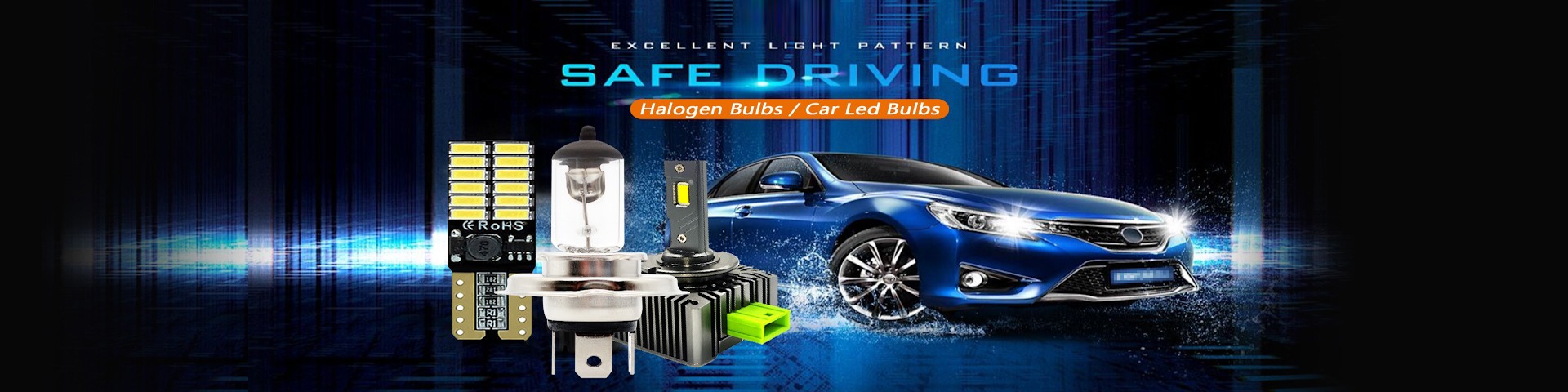
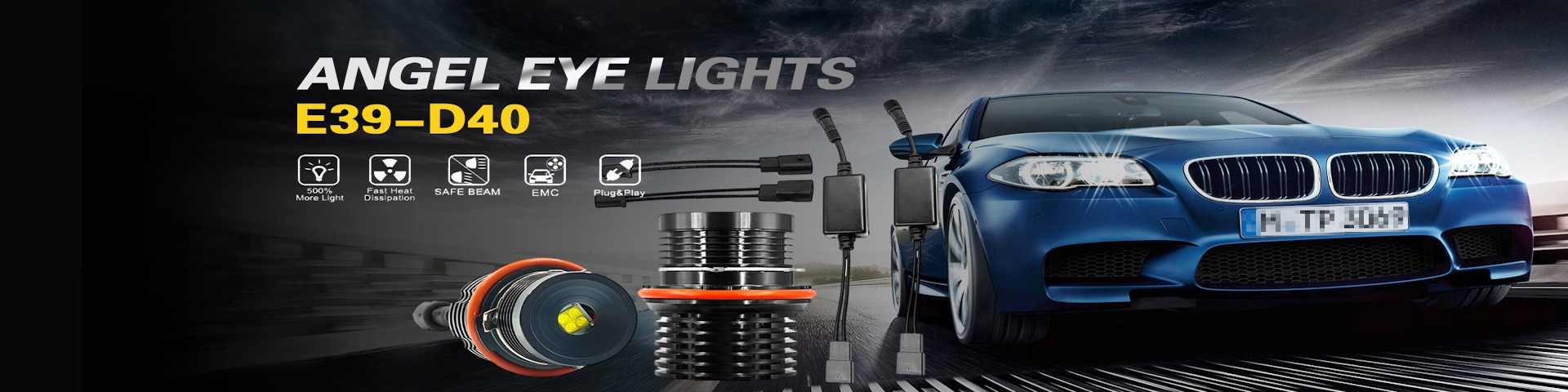
Эта статья исследует, как современные автомобильные фары трансформируются из простых источников света в сложные интерфейсы, улучшающие безопасность, дизайн и взаимодействие водителя с дорогой. Обсуждаются технологии, такие как светодиоды и адаптивное освещение, их влияние на будущее автомобилестроения.
В современном автомобильном мире фары перестали быть просто функциональным элементом для освещения дороги. Они эволюционировали в сложные интерфейсы, которые не только обеспечивают видимость, но и взаимодействуют с водителем, другими участниками движения и даже с окружающей средой. Эта трансформация отражает общий тренд в автомобилестроении: переход от механических систем к умным, подключенным решениям. В этой статье мы подробно рассмотрим, как освещение дороги стало новым интерфейсом, анализируя технологии, преимущества, вызовы и будущие перспективы.
Автомобильные фары прошли долгий путь развития. В конце XIX века первые автомобили использовали керосиновые или ацетиленовые лампы, которые предоставляли ограниченное и ненадежное освещение. С появлением электрических ламп накаливания в начале XX века ситуация улучшилась, но фары оставались простыми и статичными. В 1960-х годах внедрение галогенных ламп позволило увеличить яркость и долговечность, но основная функция оставалась неизменной: освещать путь вперед.
Переломным моментом стало внедрение светодиодных (LED) технологий в 2000-х годах. LED-фары предложили не только энергоэффективность и длительный срок службы, но и возможность динамического управления светом. Это открыло дорогу для создания адаптивных систем, где фары могли изменять интенсивность, направление и даже цвет в зависимости от условий. Например, матричные LED-фары от таких производителей, как Audi и Mercedes-Benz, используют множество отдельных светодиодов, которые можно включать и выключать независимо, чтобы избежать ослепления встречных водителей при сохранении высокого уровня освещения.
Этот исторический переход от пассивных к активным системам иллюстрирует, как фары начали приобретать черты интерфейса: они не просто излучают свет, но и «общаются» с окружающим миром, адаптируясь к нему в реальном времени.
Современные фары-интерфейсы строятся на нескольких ключевых технологиях. Во-первых, это светодиоды и лазерные технологии. LED-фары потребляют меньше энергии по сравнению с традиционными лампами и позволяют создавать точные световые пучки. Лазерные фары, хотя и более дорогие, предлагают еще большую дальность освещения — до 600 метров, что значительно улучшает видимость на высоких скоростях.
Во-вторых, crucial role играют sensors и системы управления. Датчики, такие как камеры, лидары и радары, отслеживают дорожные условия: наличие других vehicles, pedestrians, изгибы дороги, погодные условия (например, дождь или туман). Эти данные обрабатываются электронными control units (ECUs), которые adjust фары accordingly. For instance, adaptive headlights can swivel to follow curves, while high-beam assist automatically dims light when detects oncoming traffic.
В-третьих, software и connectivity являются неотъемлемой частью. Фары integrated with vehicle's infotainment systems and even external networks (например, через V2X communication). This allows for features like projection of information onto the road — например, displaying speed limits или warning symbols — effectively turning the road surface into a display interface.
Пример конкретной системы: Audi's Matrix LED technology. Она uses up to 30 LEDs per headlight, controlled by a camera that detects vehicles ahead. ECU then deactivates specific LEDs to create a "dark tunnel" around other cars, preventing glare while maintaining full light elsewhere. This not only enhances safety but also creates a seamless interaction between the car and its environment.
Одним из главных преимуществ является улучшение безопасности. По данным исследований, adaptive headlights can reduce nighttime accidents by up to 20%. Они обеспечивают лучшее освещение в поворотах, на неровных дорогах и в плохую погоду, уменьшая риск столкновений. Additionally, features like pedestrian detection and projection of warnings directly onto the road help prevent accidents by making hazards more visible.
Комфорт вождения также significantly enhanced. Водители меньше устают, так как фары автоматически adapt to conditions, reducing the need for manual adjustments. For example, in rural areas with no streetlights, high-beam assist ensures maximum visibility without dazzling others. В городских условиях, интеллектуальные фары can highlight crosswalks или obstacles, making driving more intuitive.
Эстетический аспект не менее важен. Современные фары стали key element автомобильного дизайна, с уникальными light signatures и анимированными sequences при unlock/lock doors. Brands like BMW use laser lights with blue accents to create a distinctive look, while others incorporate daytime running lights (DRLs) that serve both functional and branding purposes.
Moreover, these interfaces contribute to energy efficiency. LED and laser technologies consume less power than halogen or xenon lights, which is crucial for electric vehicles where battery life is paramount. This aligns with broader automotive trends towards sustainability.
Несмотря на преимущества, внедрение фаров-интерфейсов сталкивается с challenges. Высокая стоимость является major barrier. Matrix LED или лазерные фары can add thousands of dollars to vehicle price, making them accessible mainly premium segments. This limits widespread adoption, especially in emerging markets.
Техническая сложность также presents issues. These systems rely on sophisticated sensors and software, which can be prone to failures or require expensive repairs. For example, a malfunctioning camera might disable adaptive features, potentially reducing safety instead of enhancing it. Cybersecurity is another concern, as connected systems could be vulnerable to hacking.
Регуляторные hurdles vary by region. В некоторых странах, такие как США, regulations have been slow to adapt to new technologies. For instance, fully adaptive headlights were only recently approved in the US after years of restriction due to outdated standards. В Европе, norms are more progressive, but still require rigorous testing and certification.
Кроме того, there are human factors. Водители могут over-rely on automated systems, leading to complacency. Education and training are needed to ensure that users understand the limitations of these interfaces.
Будущее фаров как интерфейсов тесно связано с autonomous driving. В беспилотных автомобилях, фары could evolve into communication tools with pedestrians and other vehicles. For example, projecting symbols like "safe to cross" or indicating vehicle's intention to turn. Companies like Ford are experimenting with such concepts to improve urban mobility.
Advancements in AR (augmented reality) could lead to headlights that project navigation cues directly onto the road, such as arrows or lane markings, creating an immersive driving experience. Combined with HUDs (head-up displays), this could revolutionize how drivers interact with their environment.
Personalization will become more prominent. Imagine фары that adjust not only to driving conditions but also to driver preferences — например, changing light color based on mood или music. This could enhance the emotional connection between driver and vehicle.
С точки зрения sustainability, future фары might incorporate solar cells или other renewable energy sources to further reduce energy consumption. Research into organic LEDs (OLEDs) promises even thinner and more flexible designs, allowing for innovative shapes and integration into vehicle bodies.
В долгосрочной перспективе, фары could become part of a larger ecosystem of smart city infrastructure, communicating with traffic lights and road sensors to optimize traffic flow and safety.
В заключение, освещение дороги через современные фары transformed from a basic utility into a sophisticated interface that enhances safety, comfort, and aesthetics. Technologies like LEDs, sensors, and software have enabled this evolution, turning фары into active participants in the driving experience. While challenges such as cost and regulation remain, the potential for further innovation is immense, especially with the rise of autonomous vehicles and smart cities.
As we move forward, it is clear that фары will continue to play a crucial role in how we interact with our vehicles and the world around us. They are no longer just lights; they are intelligent interfaces that illuminate not only the road but also the path to a safer and more connected future.
Эта трансформация serves as a microcosm of broader changes in automotive industry, where every component is becoming smarter and more integrated. Embracing these advancements will be key to achieving higher levels of mobility and sustainability.
 1388xx888xx