
-
-
Телефоны для консультирования по оперативным вопросам
1388xx888xx
-
-
-
24Часовой консультационный телефон
1388xx888xx
-

1388xx888xx
1388xx888xx


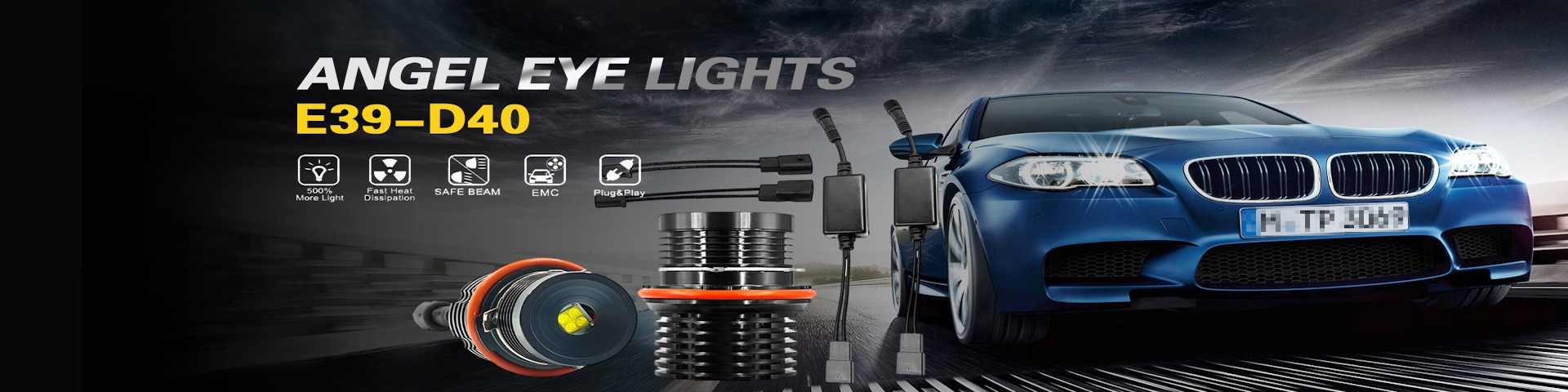
Подробное обсуждение устройства, функций и принципов работы драйверов для светодиодных фар в автомобилях, включая технические аспекты, преимущества и практические рекомендации.
В современном автомобильном мире светодиодные фары стали неотъемлемой частью безопасности и комфорта. Они предлагают превосходное освещение, энергоэффективность и долговечность по сравнению с традиционными галогенными или ксеноновыми лампами. Однако за ярким светом светодиодов скрывается сложная электронная система, сердцем которой является драйвер. В этой статье мы подробно рассмотрим, что такое драйвер светодиодных фар, как он функционирует, и почему он играет ключевую роль в обеспечении надежной работы автомобильного освещения.
Светодиодные (LED) фары — это инновационная технология, которая использует светоизлучающие диоды для создания света. В отличие от ламп накаливания, которые производят свет путем нагрева нити, светодиоды генерируют свет через электронно-дырочную рекомбинацию в полупроводниковом материале. Это делает их более эффективными: они потребляют меньше энергии, выделяют меньше тепла и имеют значительно больший срок службы — до 50 000 часов и более.
Преимущества светодиодных фар очевидны: они обеспечивают лучшее освещение дороги, что повышает безопасность вождения, особенно в ночное время или в плохих погодных условиях. Кроме того, их компактный размер позволяет дизайнерам создавать более стильные и аэродинамические формы фар, что стало трендом в автомобильной индустрии. Однако для работы светодиодов требуется стабильное и регулируемое питание, что и приводит нас к необходимости в драйверах.
Драйвер светодиодных фар — это электронное устройство, которое управляет подачей электрического тока к светодиодам. Его основная функция — преобразовать переменное напряжение бортовой сети автомобиля (обычно 12V или 24V) в постоянное напряжение и ток, подходящие для светодиодов. Светодиоды являются устройствами с низким напряжением (обычно от 2V до 4V на диод) и требуют постоянного тока для стабильной работы. Без драйвера прямое подключение к автомобильной сети привело бы к перегоранию светодиодов из-за скачков напряжения или неподходящего тока.
Драйвер не просто преобразует напряжение; он также обеспечивает защиту от перегрузок, коротких замыканий, перегрева и других электрических аномалий. Это делает его незаменимым компонентом в системе освещения, особенно учитывая чувствительность светодиодов к колебаниям в питании. В современных автомобилях драйверы часто интегрированы в блок управления фарами или могут быть отдельными модулями, depending on the design.
Принцип работы драйвера основан на электронной схеме, которая включает в себя несколько ключевых компонентов: преобразователь напряжения (например, buck или boost converter), микроконтроллер для управления, и различные защитные элементы. Давайте разберем это шаг за шагом.
First, входное напряжение от автомобильного аккумулятора (12V DC) подается на драйвер. Это напряжение может колебаться в зависимости от состояния двигателя и электрической системы автомобиля (например, при запуске двигателя напряжение может падать до 9V или подниматься до 14V). Драйвер использует преобразователь, чтобы стабилизировать это напряжение до уровня, required by the LEDs. For instance, if the LEDs require 3V each and are connected in series, the driver might need to output a higher voltage, such as 12V for a string of 4 LEDs.
Key to this process is current regulation. LEDs are current-driven devices, meaning their brightness is directly proportional to the current flowing through them. A small change in current can lead to significant changes in light output or even damage. Therefore, the driver employs a current regulator circuit, often using pulse-width modulation (PWM) or a linear regulator, to maintain a constant current regardless of input voltage variations. PWM is particularly common because it is efficient and allows for dimming functions, which are useful for adaptive lighting systems in modern cars.
Additionally, the driver includes protection features. Overvoltage protection prevents damage from spikes in the automotive electrical system, while thermal protection monitors the temperature of the LEDs and driver itself, reducing current or shutting down if overheating is detected. Short-circuit protection ensures that a fault in the wiring doesn't cause a fire or damage other components.
In advanced systems, drivers may also communicate with the vehicle's ECU (Electronic Control Unit) to adjust lighting based on speed, steering angle, or ambient conditions, enabling features like adaptive headlights that swivel or change beam pattern.
С технической точки зрения, драйвер светодиодных фар состоит из нескольких critical components. The heart is often a switching regulator IC (Integrated Circuit) that handles the voltage conversion. Common types include buck converters (which step down voltage) or boost converters (which step up voltage), depending on the LED configuration. For example, if the LEDs are wired in series and require a voltage higher than the input, a boost converter is used.
Other components include inductors, capacitors, and resistors that filter and smooth the current, ensuring a clean DC output. A microcontroller or dedicated driver IC monitors parameters like current and temperature, adjusting the PWM signal accordingly. Heat dissipation is crucial, as drivers can generate heat during operation, so they often have heat sinks or are designed with thermal management in mind.
Efficiency is a key metric for drivers; high-efficiency drivers (e.g., 90% or above) minimize energy loss as heat, which is important for reducing the load on the vehicle's electrical system and improving fuel economy in internal combustion engine vehicles. In electric vehicles, efficiency directly impacts range.
Modern drivers also support smart features, such as diagnostics via CAN bus (Controller Area Network), allowing the vehicle to detect faults in the lighting system and alert the driver through the dashboard.
Использование специализированных драйверов для светодиодных фар brings numerous benefits. Firstly, they ensure longevity of the LEDs by providing stable current, preventing issues like flickering or premature failure. This is cost-effective in the long run, as LED replacements are expensive.
Secondly, drivers enable advanced lighting functions. For example, they allow for dynamic beam control, where the headlights can adapt to oncoming traffic by dimming specific sections, enhancing safety without blinding other drivers. This is part of systems like matrix LED headlights.
Energy efficiency is another major advantage. By optimizing power delivery, drivers reduce the overall electrical consumption of the vehicle, which is particularly beneficial in hybrids and EVs where every watt counts.
Moreover, drivers improve reliability. With built-in protections, they safeguard against electrical faults that could otherwise lead to accidents or costly repairs. This makes them essential for meeting automotive safety standards, such as those set by organizations like SAE or ECE.
При выборе или замене драйвера для светодиодных фар, важно учитывать несколько факторов. Compatibility with the LED specifications (voltage, current, and power rating) is paramount. Using an underrated driver can lead to insufficient light output, while an overrated one might cause overheating.
Environmental factors also matter. Automotive drivers must operate reliably in extreme temperatures, from -40°C to +85°C or higher, and withstand vibrations and humidity. Look for drivers with high IP (Ingress Protection) ratings if they are exposed to elements.
For DIY enthusiasts or aftermarket upgrades, it's crucial to select drivers that are plug-and-play with existing wiring harnesses to avoid modifications that could void warranties or cause issues. OEM (Original Equipment Manufacturer) drivers are typically the safest choice, but aftermarket options can offer cost savings if they meet specifications.
Regular maintenance isn't usually required for drivers, as they are designed to be maintenance-free, but keeping the electrical system of the vehicle in good condition (e.g., ensuring a healthy battery and alternator) can prevent driver failures.
В заключение, драйвер светодиодных фар — это sophisticated yet essential component that bridges the gap between the vehicle's electrical system and the demanding requirements of LED lighting. By providing stable current, protection, and smart features, it enables the full potential of LED technology in automotive applications. As cars become more advanced with autonomous driving and connected features, the role of drivers will only grow, making them a critical area of innovation. Understanding how they work not only helps in maintenance and selection but also appreciates the engineering behind modern vehicle safety and efficiency.
Whether you're a car enthusiast, a technician, or simply a driver, knowing about LED driver can enhance your awareness of vehicle systems and contribute to safer, more efficient driving experiences. Embrace the light—powered by reliable drivers.
 1388xx888xx